

Orcas of Lofoten
Oil Free Lofoten
The ecological and cultural heart of northern Norway
Location
Norway
Established
2018-2019Areas of Impact
Partners
- Folkeaksjonen
- Natural History Museum Norway
- Friends of the Earth Norway
- Young Friends of the Earth Norway
- AUFs
Background
The Lofoten Islands sit at the ecological and cultural heart of northern Norway. These waters support the world’s largest cod and herring stocks, dense aggregations of sperm whales and killer whales, some of Europe’s largest seabird colonies including puffins and cormorants, and the largest known cold-water coral reef on Earth. For thousands of years, Lofoten has been Norway’s fishing breadbasket, and today the island communities remain almost entirely dependent on fishing and tourism for their livelihoods.
This ecosystem has not always been secure. In the 1950s through the 1970s, overfishing pushed herring stocks toward collapse. As catches declined, blame fell on killer whales, and more than 700 orcas were killed in the decade before hunting was finally stopped. Protection for orcas, combined with fishing quotas, allowed herring stocks to recover and the ecosystem to rebound.
Today, supports one of the strongest and healthiest populations of killer whales in the world, alongside a thriving fishery and a growing wildlife tourism economy. Fishermen who were once encouraged to fear orcas now proudly share photos of them, recognizing them as a sign of a healthy ocean.

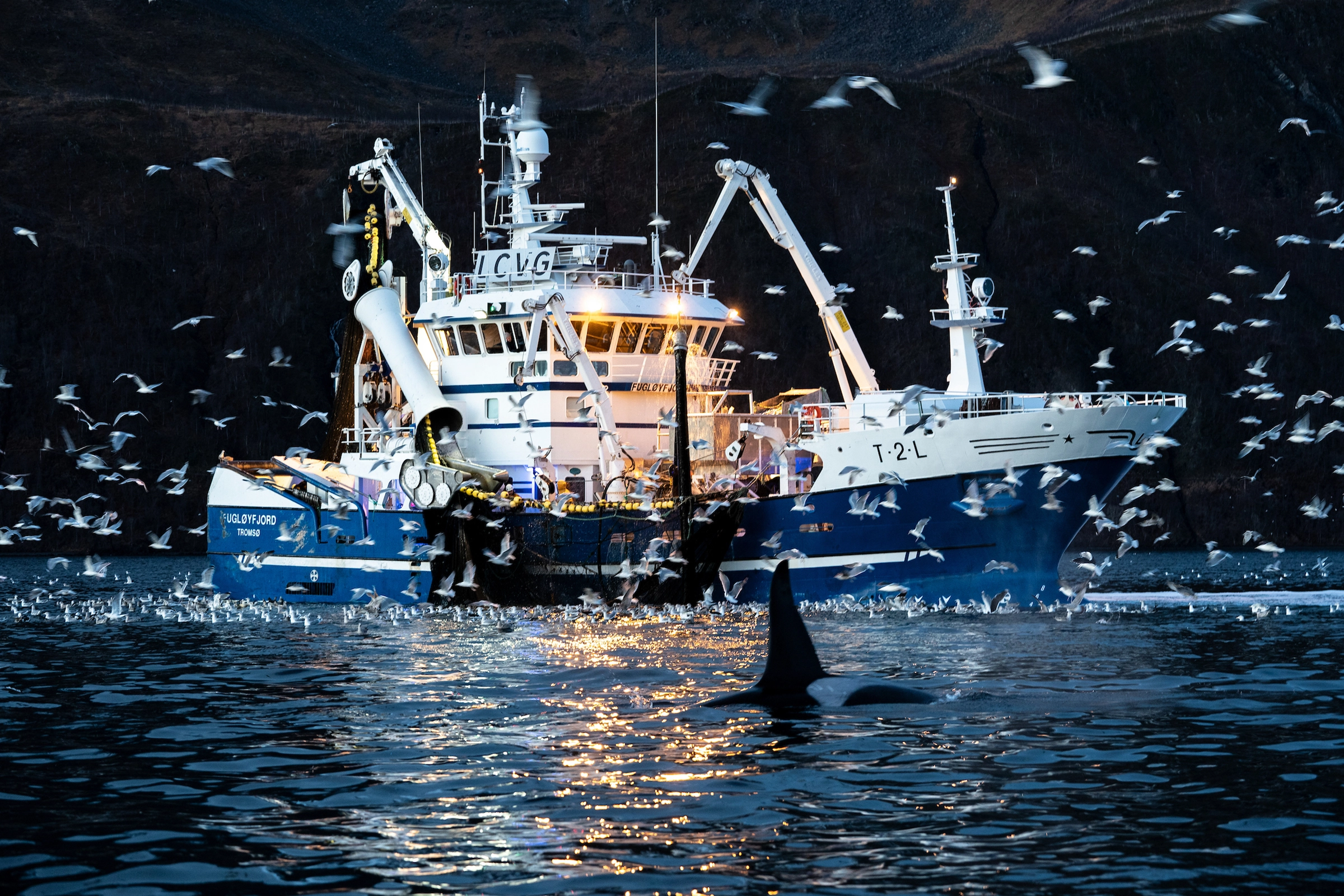
An industrial herring boat fishing in orca feeding grounds, Lofoten, Norway. Photo by Cristina Mittermeier.
Lofoten has become a symbol of Norwegian identity.
Fjords, mountains, and ocean converge here, reflecting the deep relationship between nature, culture, and community. There is strong local pride in the fact that people travel from all over the world to witness what exists in northern Norway.
Despite this success story, Lofoten remains under threat. The continued health of herring and killer whales depends on these waters being left free from industrial disturbance. For more than twenty years, the petroleum industry has sought access to this region. Oil exploration would introduce intense noise from seismic blasting, one of the loudest human-made sounds in the ocean, which can disrupt herring spawning and drive fish away from the fjords.
Because orcas and local fishing communities are tightly linked to herring, any disruption to these fish cascades quickly through the ecosystem and into people’s lives. In the Arctic, contaminants break down far more slowly, and narrow fjords, strong currents, and winter darkness make spill response extremely difficult, leaving no room for error in a place like Lofoten.
Temporary bans on oil and gas activity have protected the region since 2001, reaffirmed multiple times after public and political resistance. But because these protections are not permanent, the threat resurfaces every few years. The question of drilling returns again and again, creating ongoing uncertainty for communities, ecosystems, and livelihoods.
The Mission
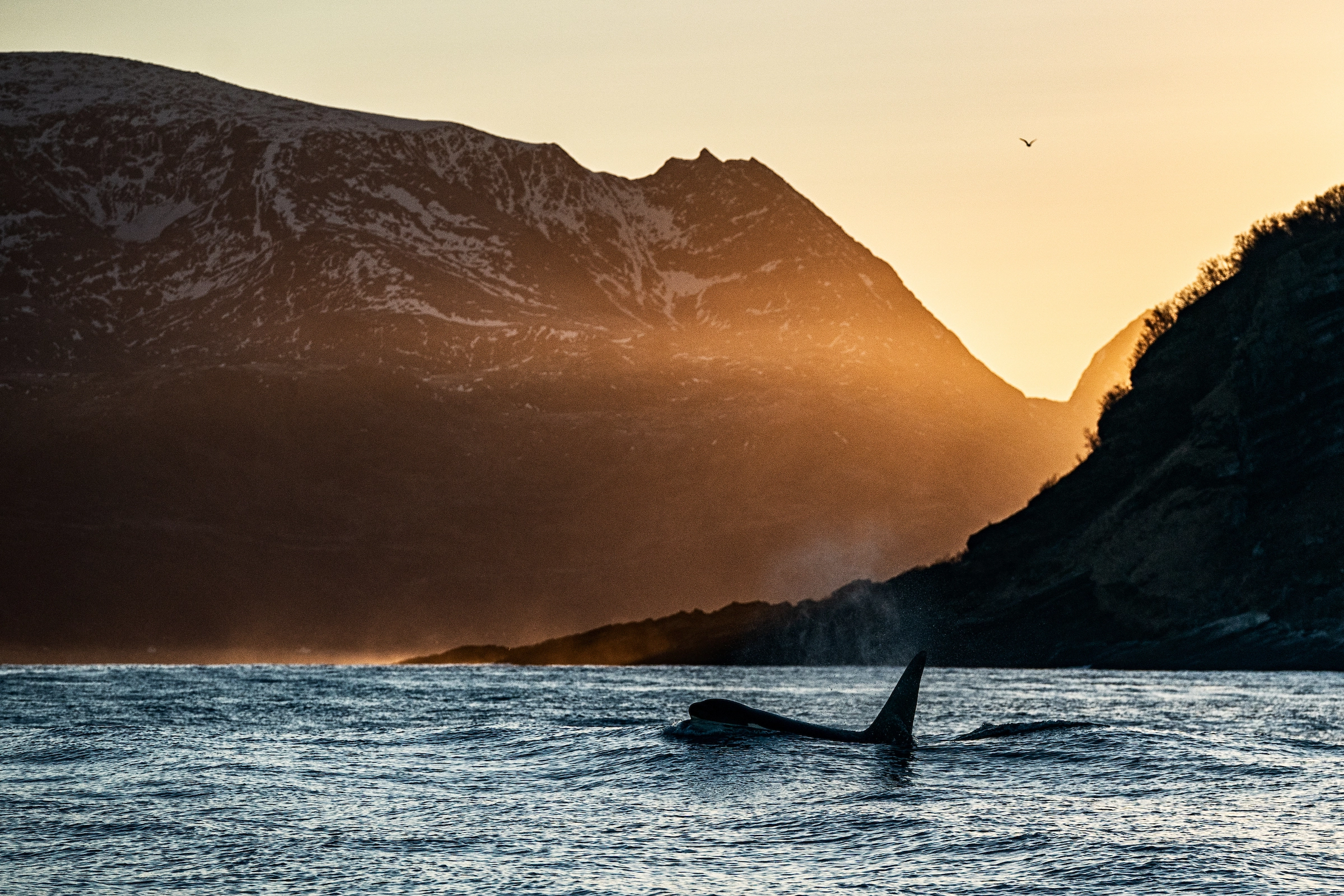
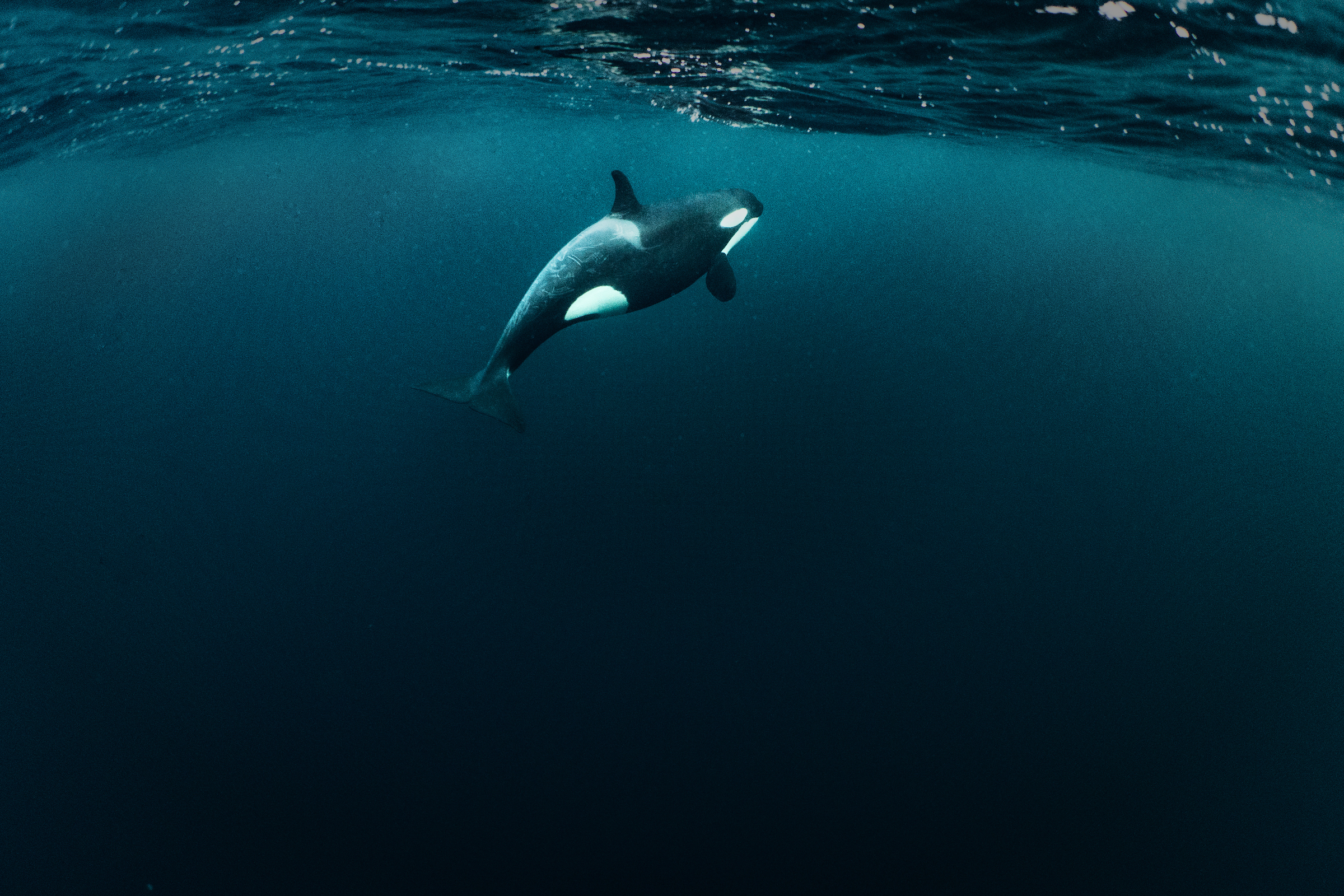
An orca surfaces in the northern fjords of Norway. Photo by Cristina Mittermeier.
SeaLegacy traveled to Lofoten to document what is at stake and to help amplify the voices of those who depend on this place.
Our mission was to create powerful imagery and tell the full story of Lofoten by getting in the water with orcas and herring, speaking with fishermen and local residents, and showcasing the extraordinary richness of this ecosystem.
We worked to appeal directly to the Norwegian public and government, urging them to move beyond temporary bans and establish permanent protections for Lofoten. Our goal was to give fishermen, local communities, and future generations certainty that this place will remain intact, regardless of which government is in power.
Norway has oil resources in these fjords, but climate leadership means recognizing that having oil does not obligate its extraction. Real climate action requires leaving fossil fuels in the ground and accelerating the transition to renewable energy. We wanted to give political leaders the courage to make that choice and to show that protecting Lofoten is an investment worth far more than oil extraction.
The Results
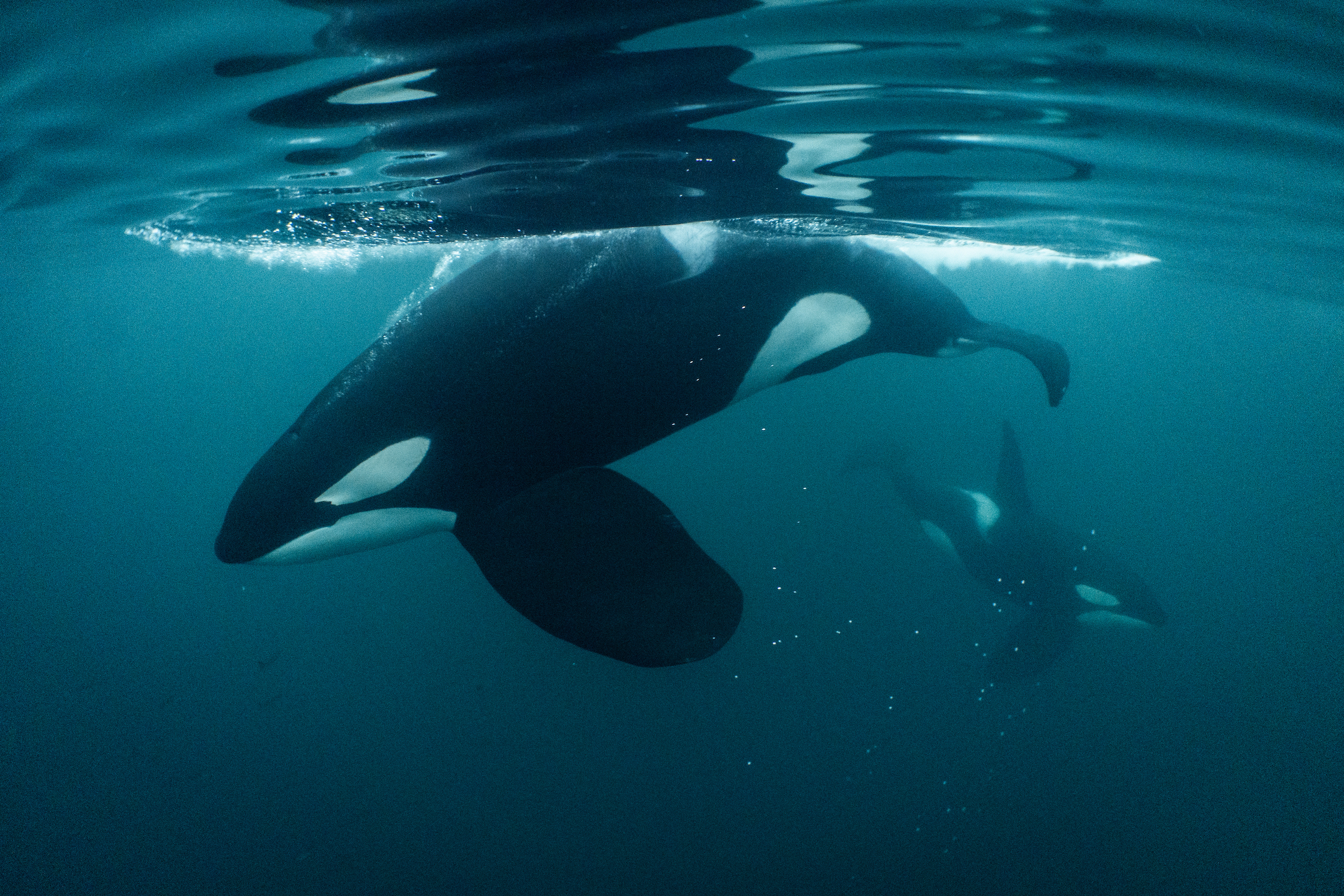
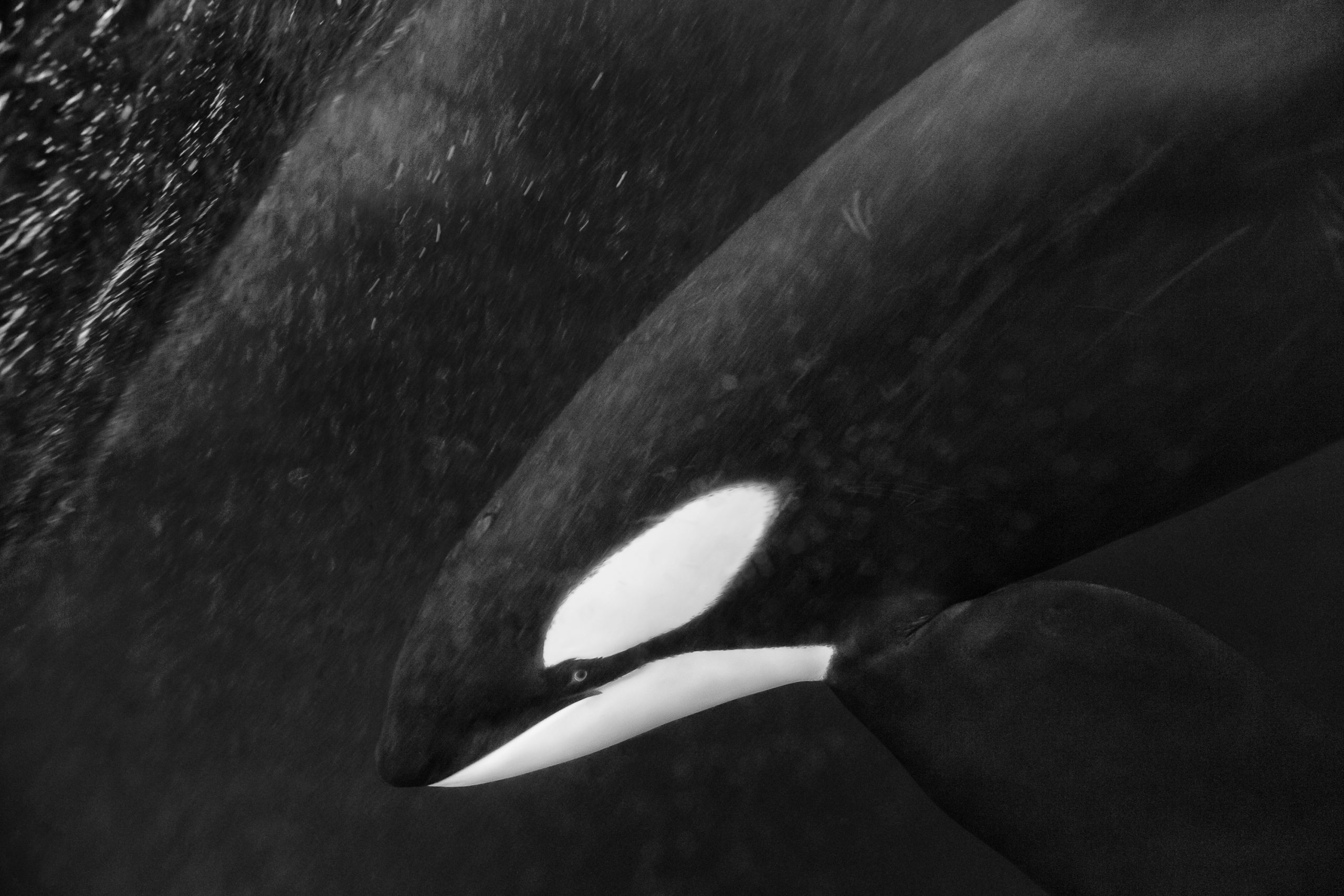
Face-to-face with the orcas of Lofoten, Norway. Photo by Cristina Mittermeier.
In April 2019, our campaign proved successful, helping guide the future of the Lofoten archipelago away from fossil fuels and toward environmental protection. Norway’s Labour Party voted by majority to protect Lofoten from oil development.
This historic win was led in large part by young people who refused to see their future tied to fossil fuels. Together with partners and supporters around the world, we helped amplify that call. We gathered more than 55,000 signatures and mobilized thousands to speak directly to decision-makers. This success is proof that public pressure works, and that even in one of the world’s largest oil-producing nations, priorities can shift.
While our victory did not permanently ban drilling in Lofoten, it made exploration far less likely and catalyzed a broader political shift. Since then, political agreements have kept exploration plans on hold, reinforcing Norway’s commitment to protecting the ocean around Lofoten. While no victory is ever absolute, especially in the conservation world, Norway appears to be continuing down a path that prioritizes environmental health and a gradual shift away from fossil fuels.
We’re hopeful that Norway will continue to do the right thing, stewarding a healthy ocean for the herring, the orcas, and the entire ecosystem so that it can thrive for generations to come.
A powerful win for Lofoten
Norway Gallery
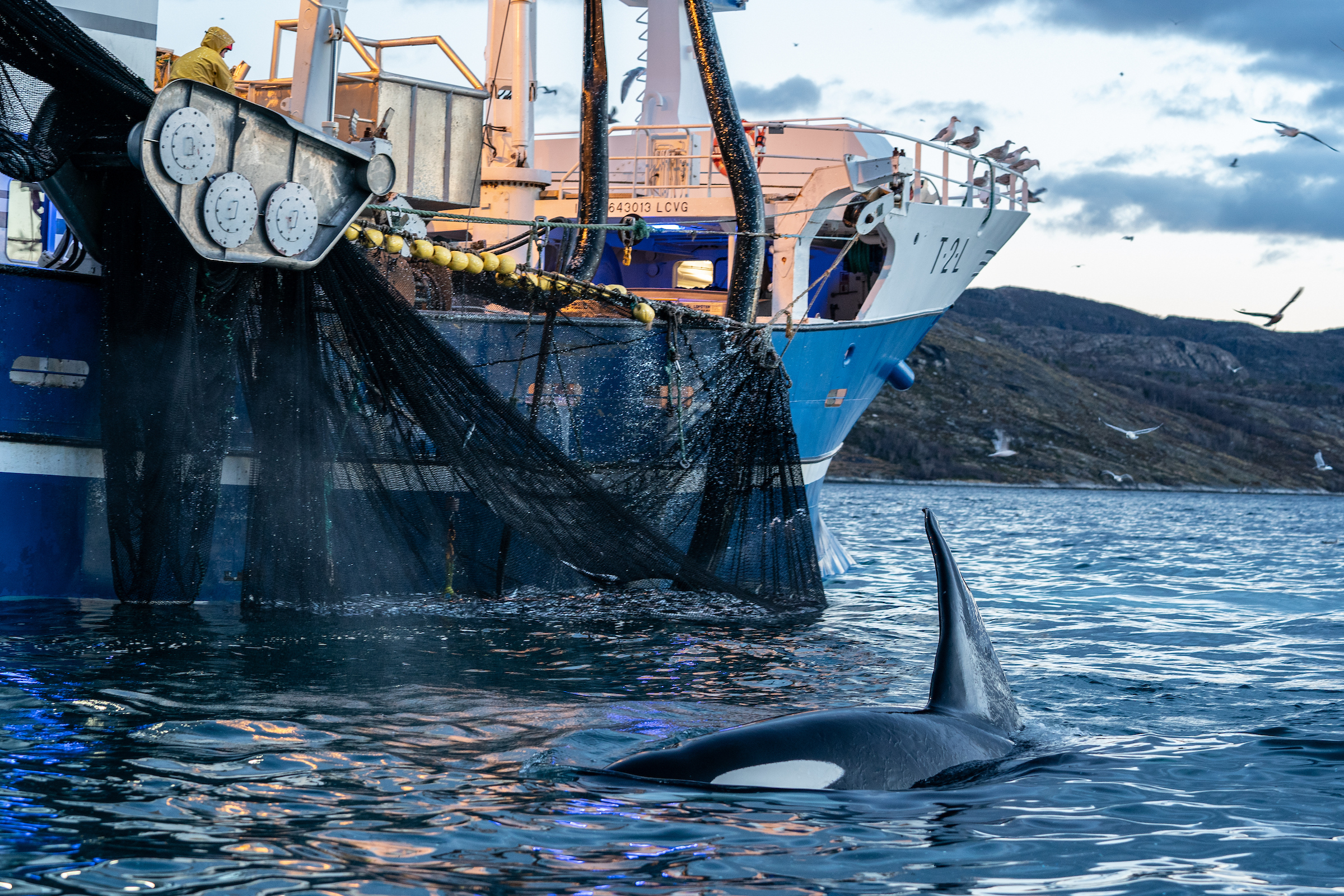

Part One: The science of marine protection in Norway
SeaLegacy March 15, 2019 10:14 am