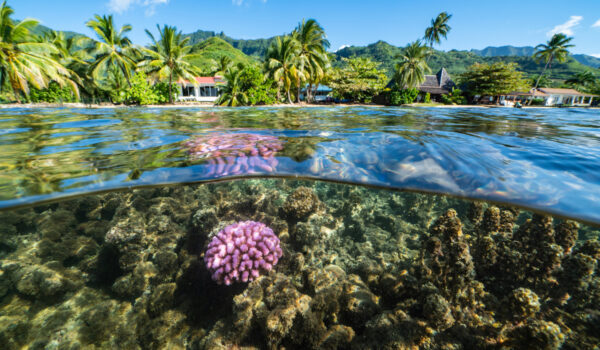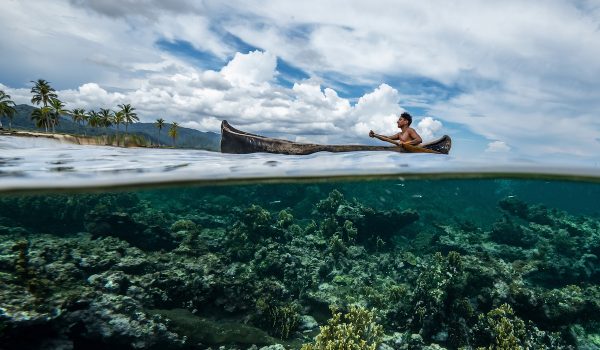
Raja Ampat, right at the heart of the Coral Triangle in Indonesia, is one of the most biologically diverse marine ecosystems on Earth.
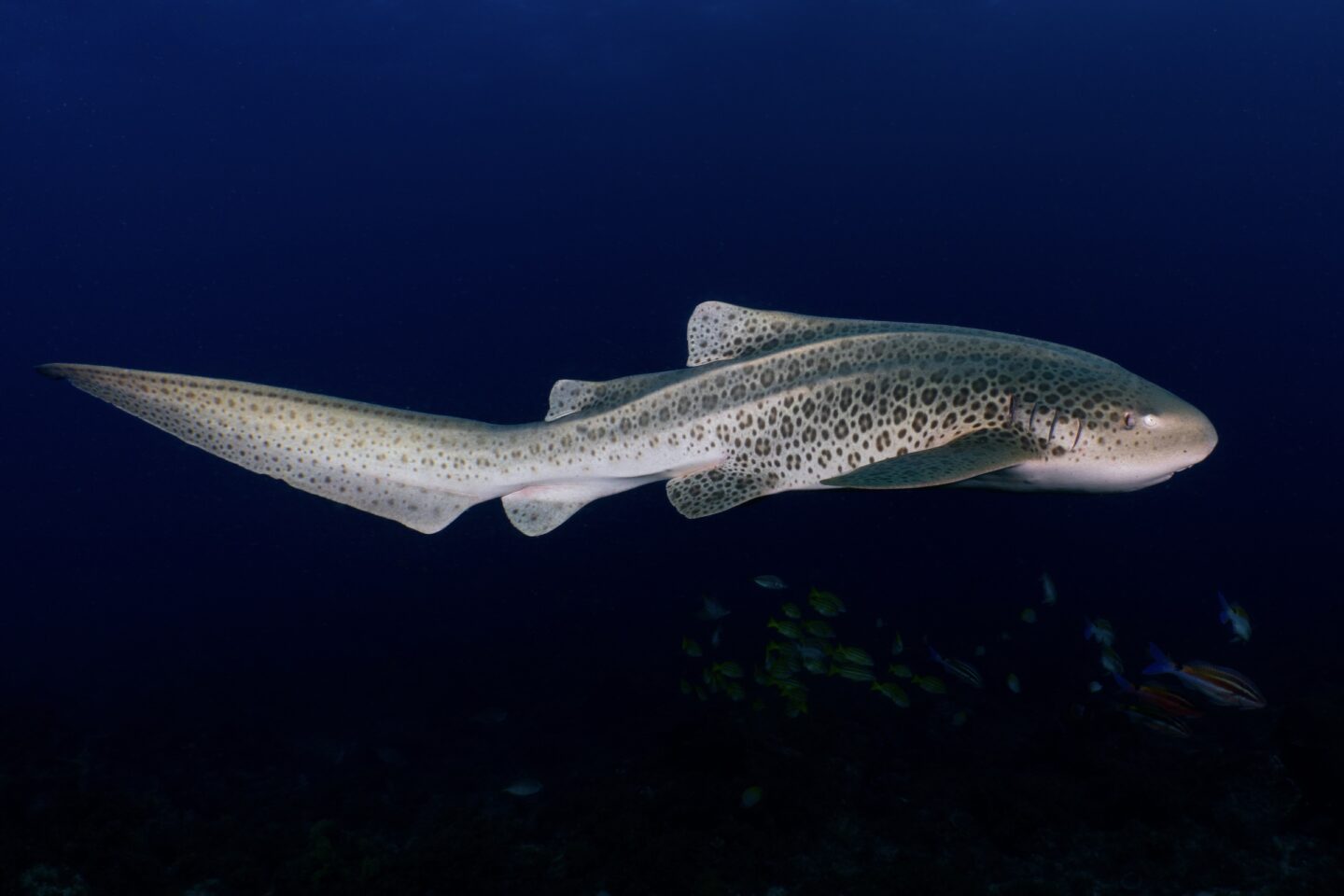
From vibrant coral reefs and over 2,000 species of reef fish to dolphins, whales, and dugongs, the region is a globally recognized biodiversity hotspot. But despite this incredible abundance of life, if you look closely at the sandy seafloor, you’ll realize one iconic species is missing from the picture: the Indo-Pacific leopard shark.
How do you restore an apex predator to a habitat where there is almost no visible population left? We traveled to Indonesia aboard the SeaLegacy 1 to find out, and we captured this incredible story in our latest short film, ReShark: Bringing Leopard Sharks Back From the Brink of Extinction.
The Disappearance of a Gentle Giant
Decades of extreme human pressure, overfishing, and destructive practices like dynamite fishing took a massive toll on Raja Ampat’s oceans. The Indo-Pacific leopard shark—a slow-swimming, docile, and bottom-dwelling reef shark—was especially vulnerable. Throughout the late 90s and early 2000s, they were heavily targeted for the global shark-fin trade.
In 2004, the region saw a massive conservation win: a large network of Marine Protected Areas (MPAs) was established. Over the last two decades, the reefs have healed, manta rays have returned, and fish populations have rebounded. But leopard sharks had been fished down to such an alarming level (only three individuals were spotted during 15,000 survey hours!) that they couldn’t recover on their own.
Enter ReShark: A World-First Rewilding Effort
Dr. Mark Erdmann, a coral reef ecologist with over two decades of experience in Indonesia, refused to accept their extinction. He helped launch ReShark, a global coalition of over 100 organizations determined to give leopard sharks a fighting chance through the Stegostoma tigrinum Augmentation and Recovery (StAR) Project.
ReShark’s initiative is the first of its kind, relying on meticulous planning, international cooperation, and a dedicated local team:
-
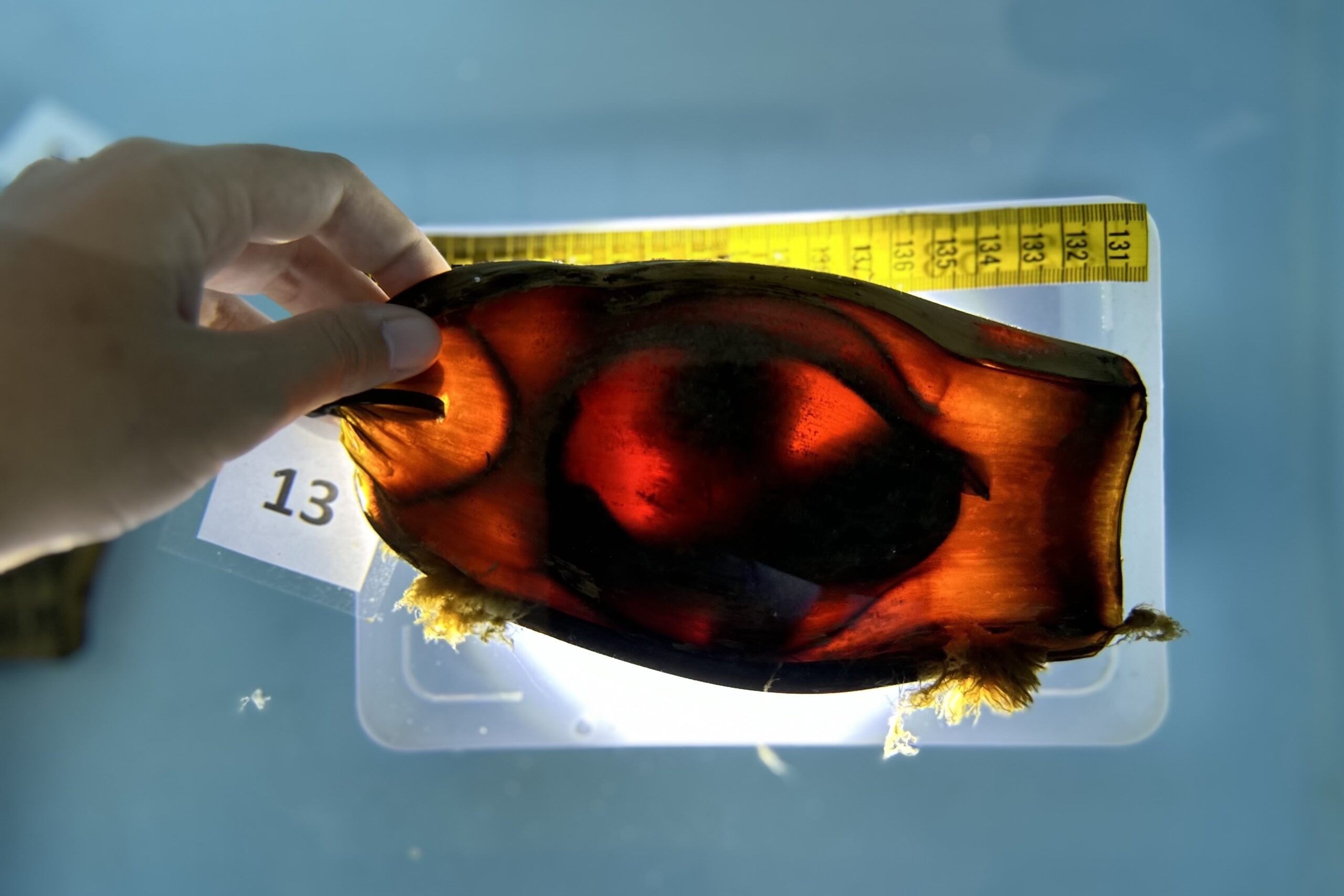
A Global Delivery: Leopard shark eggs (also known as “mermaid purses”) are bred in large public aquariums across the US, Europe, Australia, and Asia, then carefully shipped to Indonesia.
-
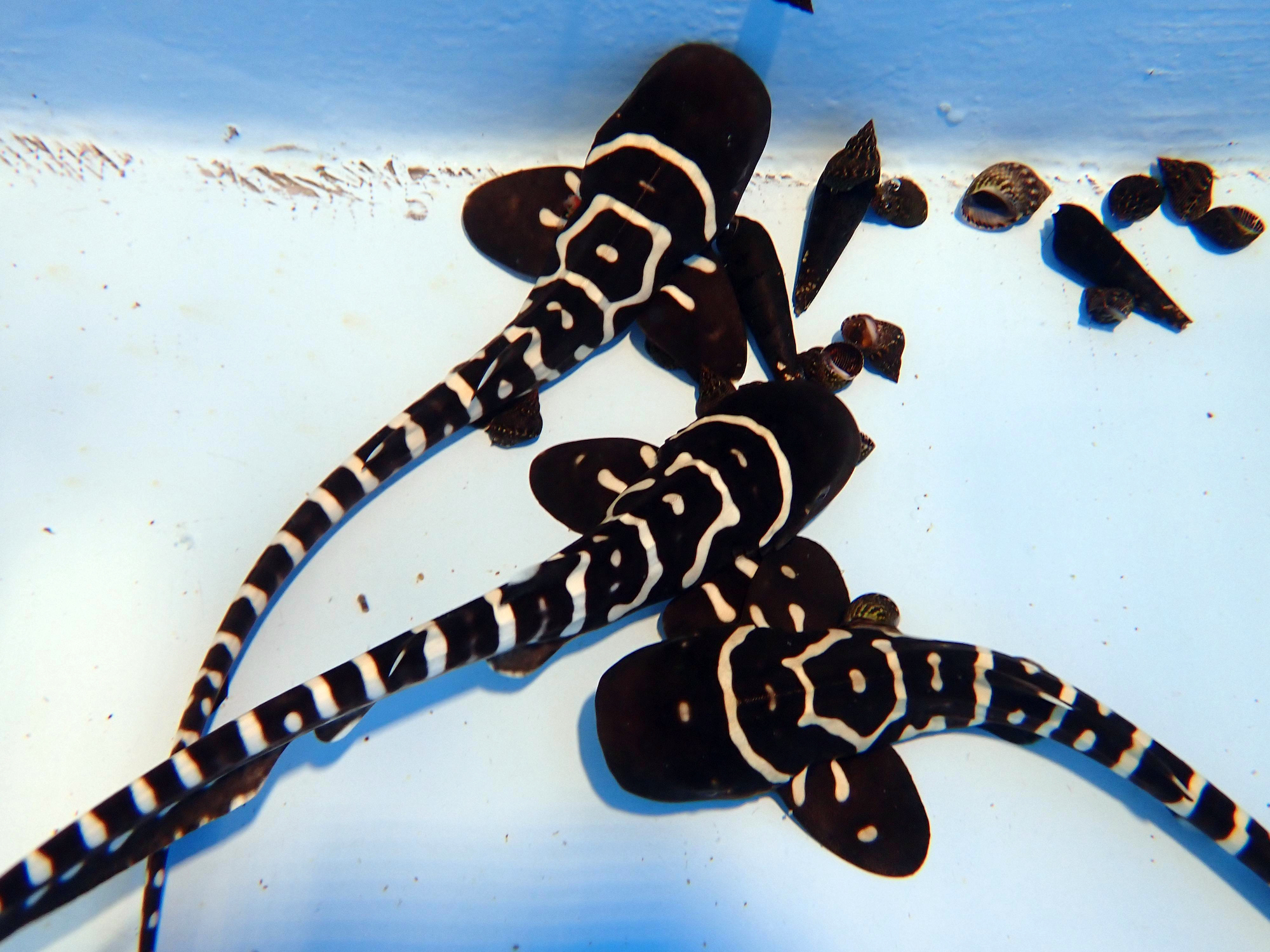
The “Shark Nannies”: Once in Raja Ampat, the eggs are overseen by a dedicated team of young Indonesian conservationists and marine scientists who monitor the sharks as they hatch and grow.
-
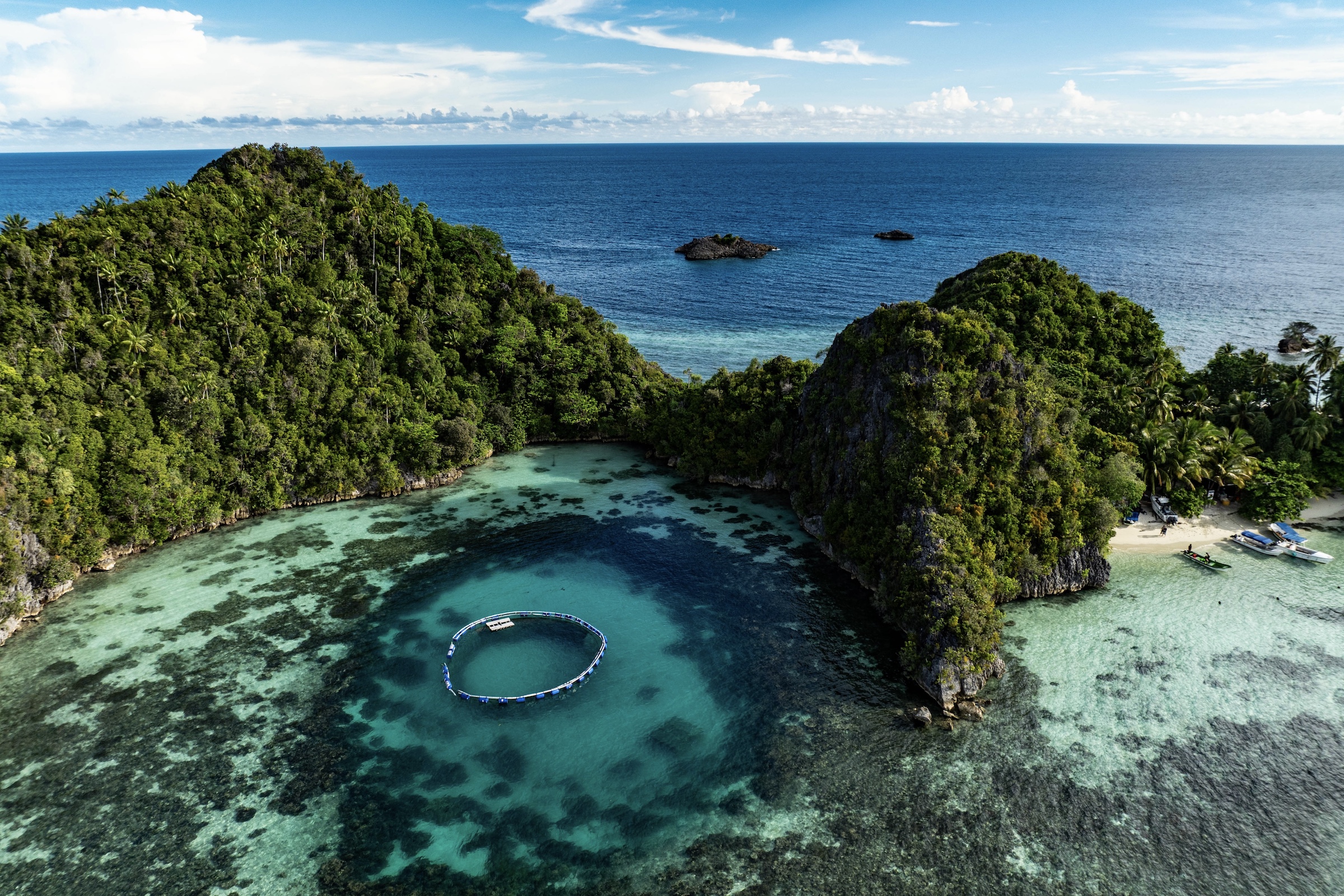
Wild Acclimation: The pups spend 10 to 12 months in local nurseries where they are taught how to forage for food on their own. Once they reach about a meter in length, they are finally released into the wild marine sanctuaries of Raja Ampat!
Watch the Rebirth Beneath the Surface
Nature has an incredible ability to bounce back when we give it a chance, and ReShark is proving exactly what happens when passionate people intervene.
We were so inspired by the dedication of these conservationists and “shark nannies” that we documented the journey. You’ll even get to see the emotional release of a shark pup named in honor of a late indigenous leader who spent 20 years protecting these waters.
👉 Click here to watch the short film on YouTube now!
If you’d like to directly support the incredible team at ReShark as they continue to raise and release leopard sharks, you can make a donation here. Thank you for your continued support and care for our oceans!