SEALEGACY EXPEDITION
A Global Movement to Restore Coral Reefs
Location
French Polynesia
Established
September 2023Partners
Background
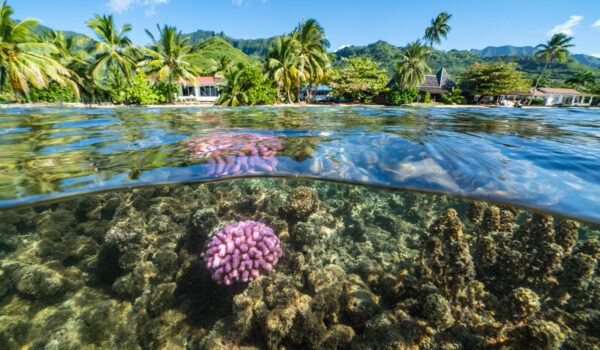
French Polynesia is made up of more than one hundred islands scattered across the South Pacific, where jagged volcanic peaks cloaked in dense jungle rise sharply from turquoise lagoons. It is one of the most remote places on Earth.
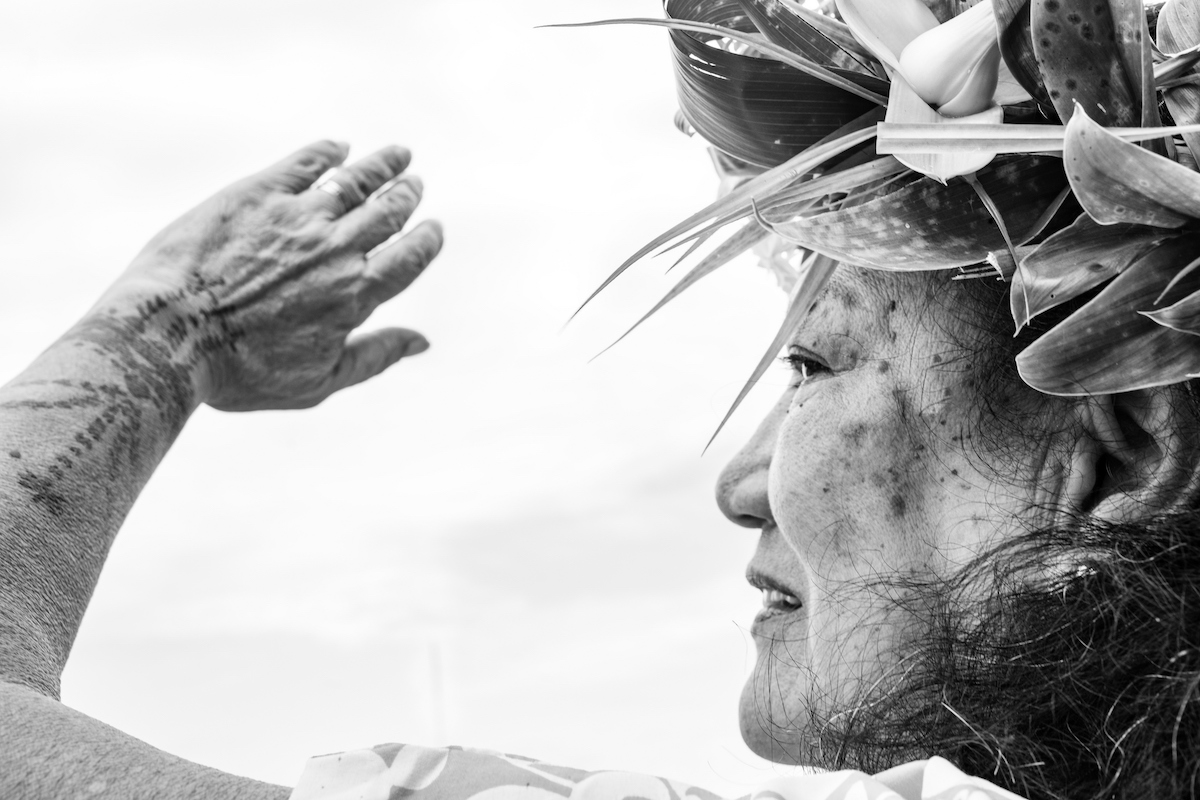
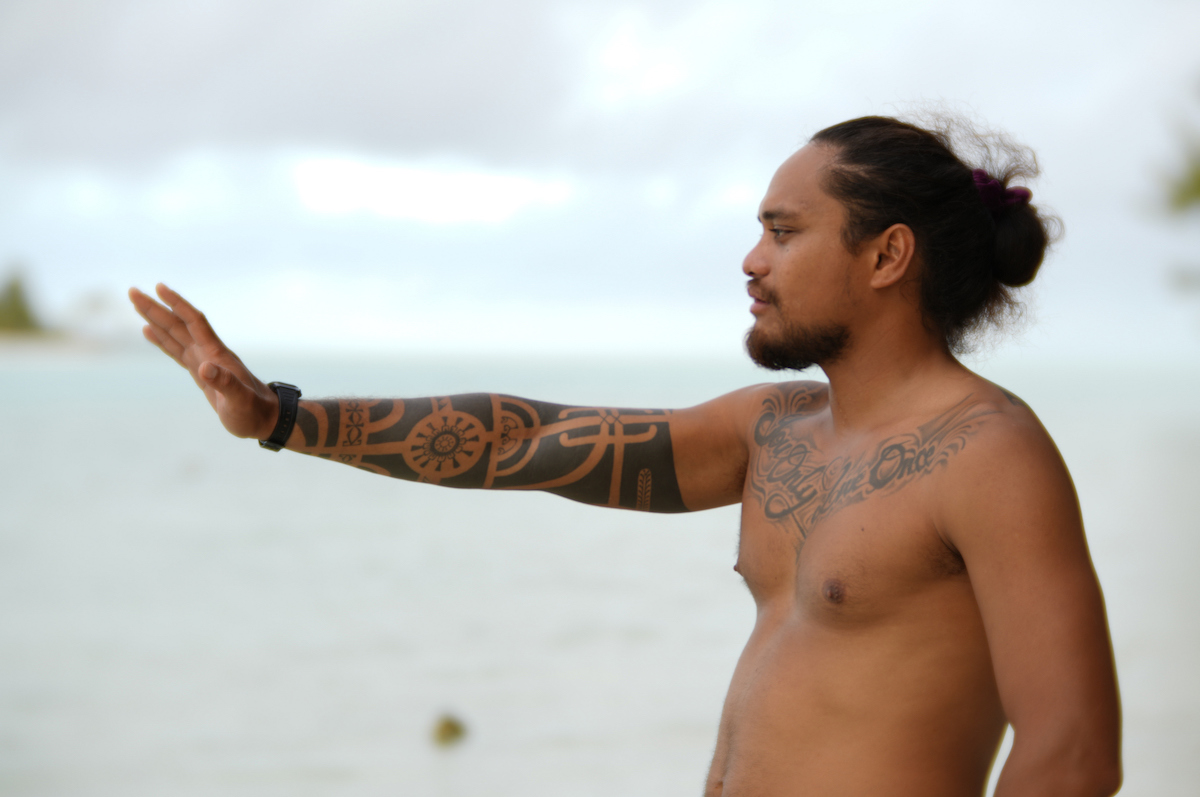
The Polynesian people have called the Pacific home for millenia. Long before compasses or GPS, they were navigating thousands of kilometers of open ocean in traditional voyaging canoes, guided only by the stars and the ocean itself. For Polynesians, the ocean, or moana, is ingrained in their very being from their ancestry and culture to sustenance and livelihood. They have always acted as guardians of the waters they call home.
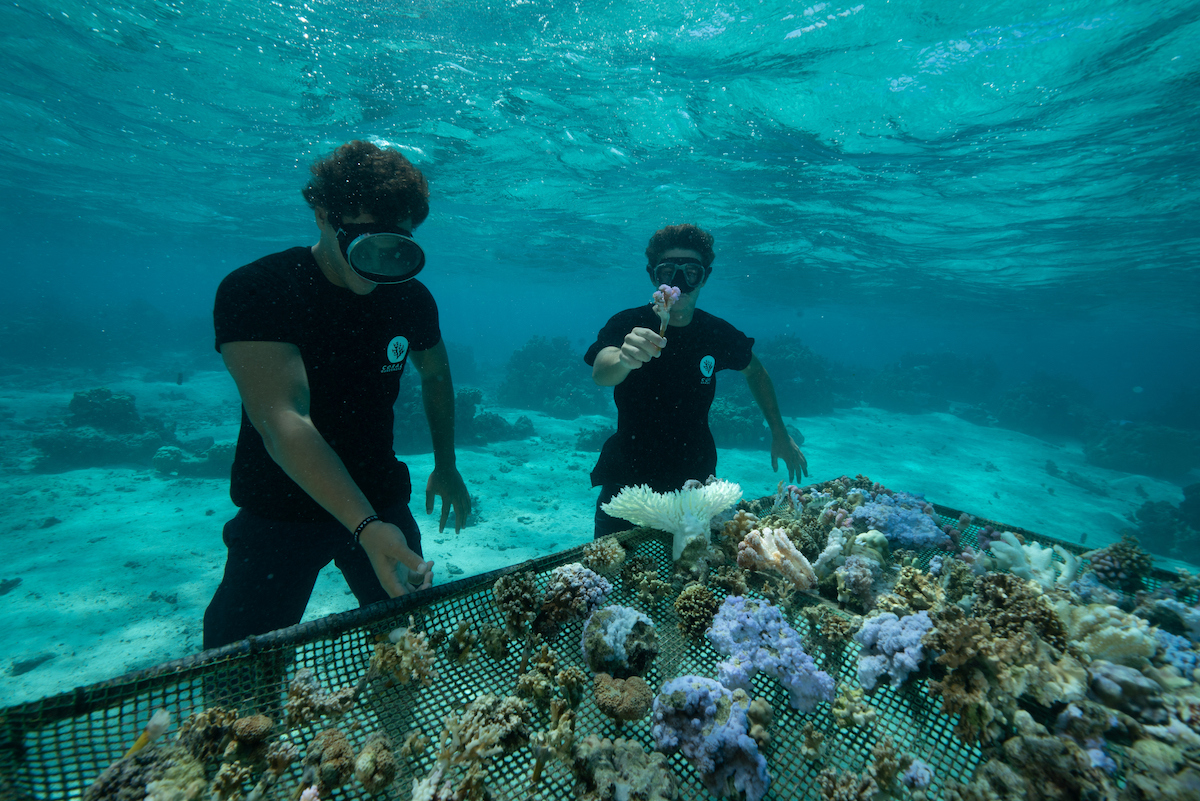
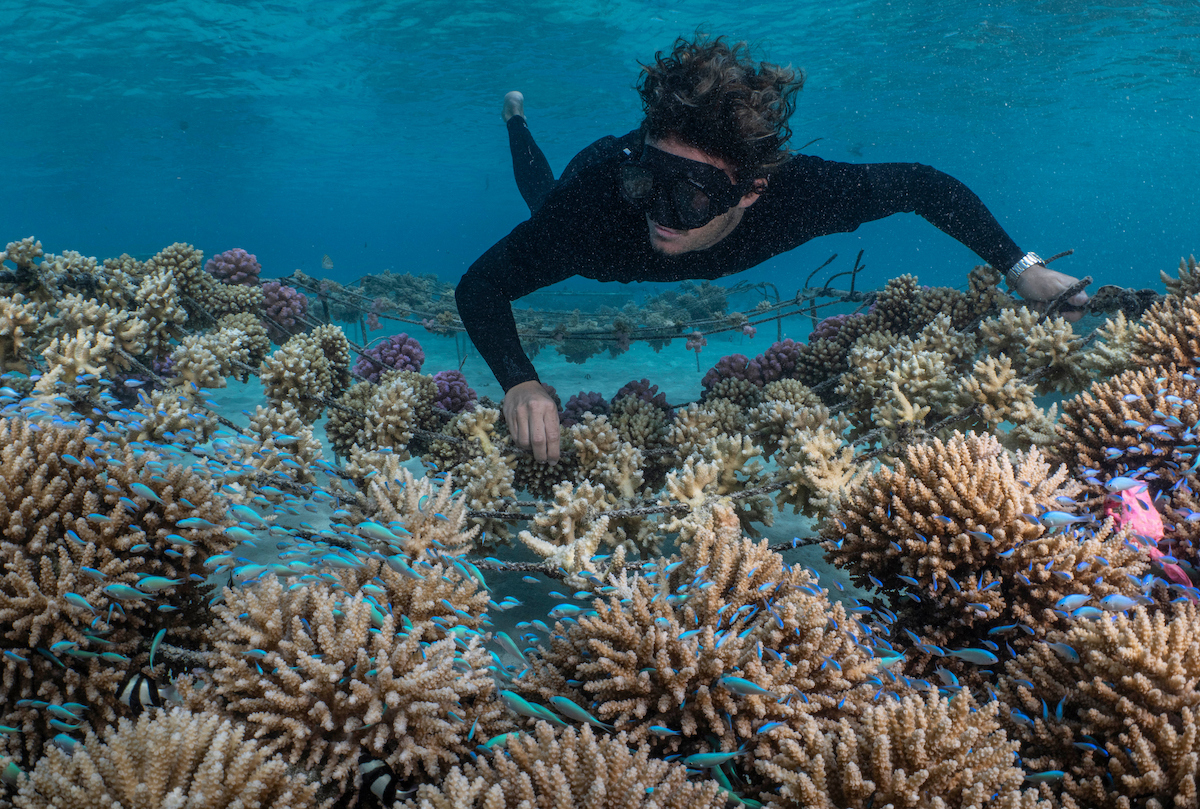
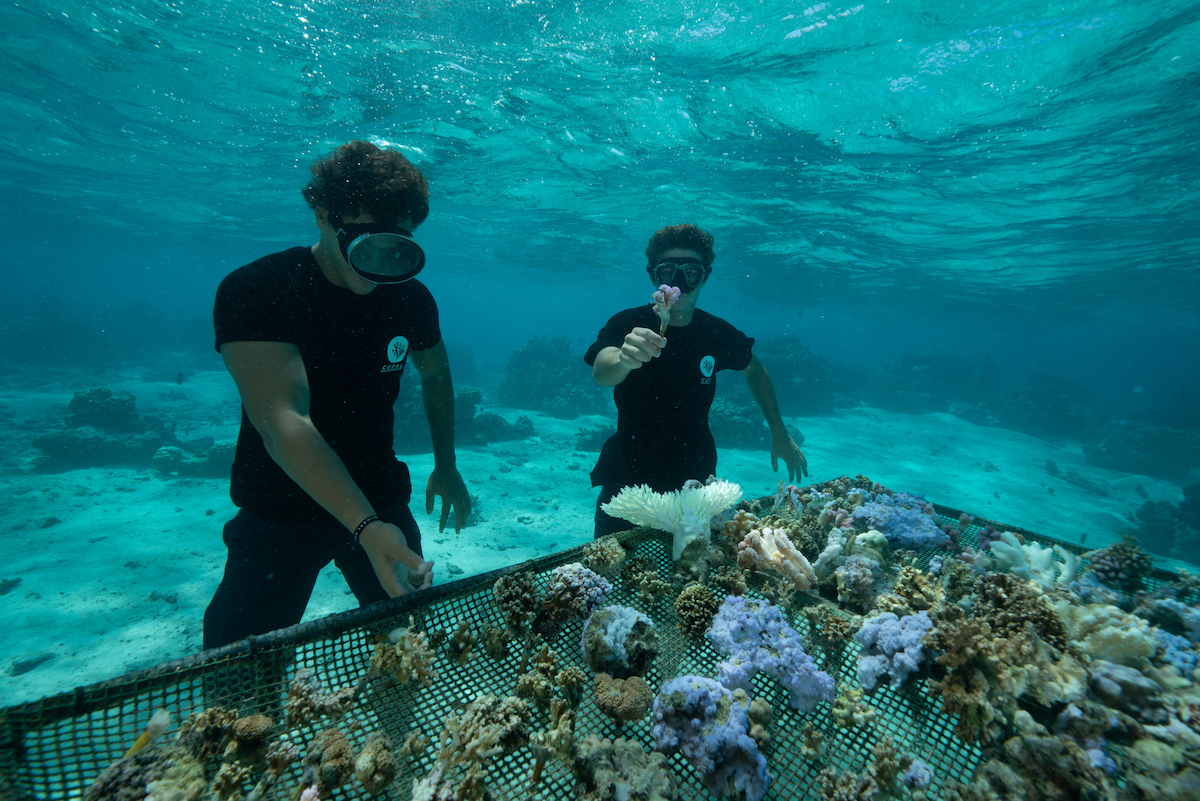
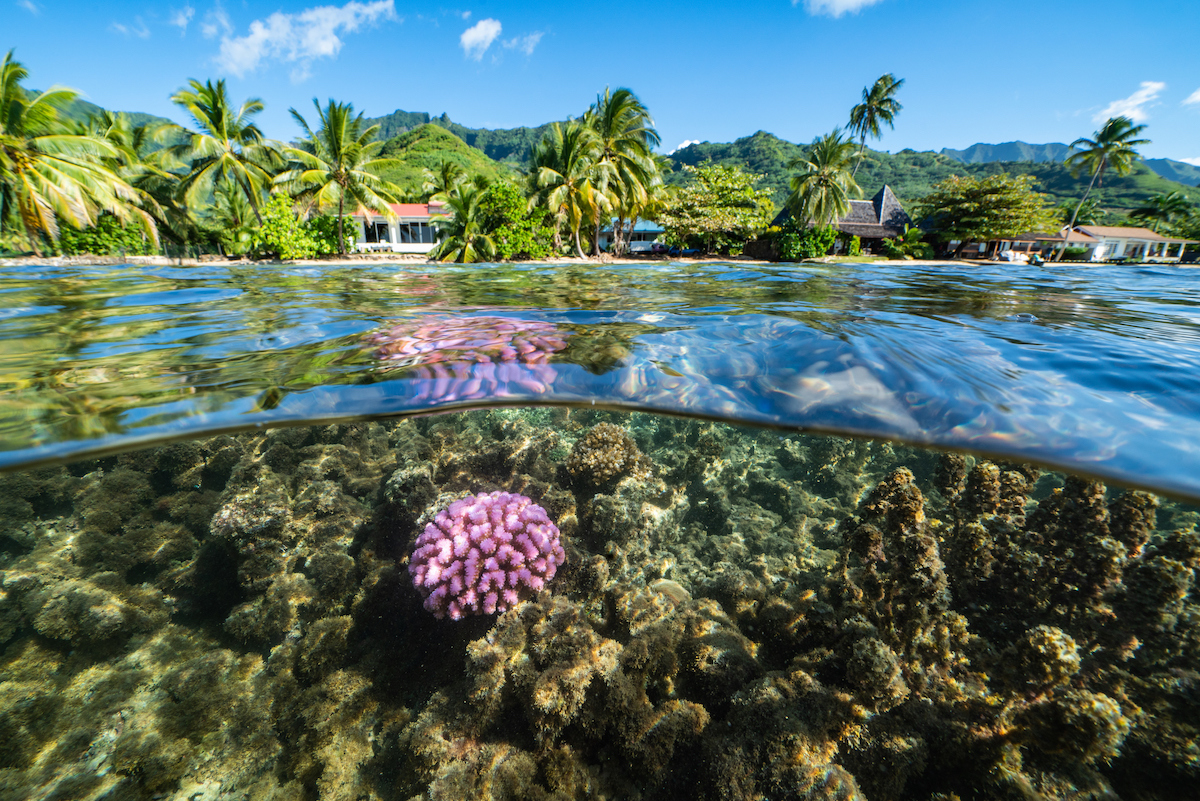
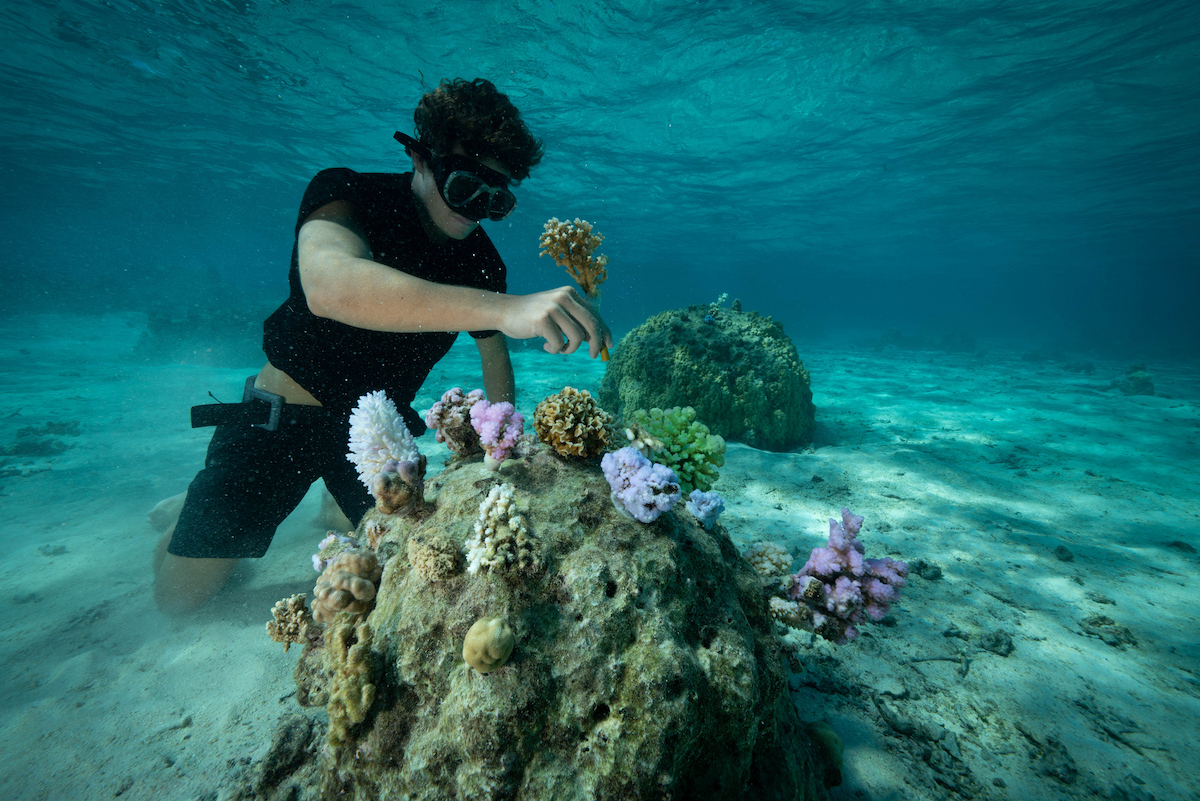
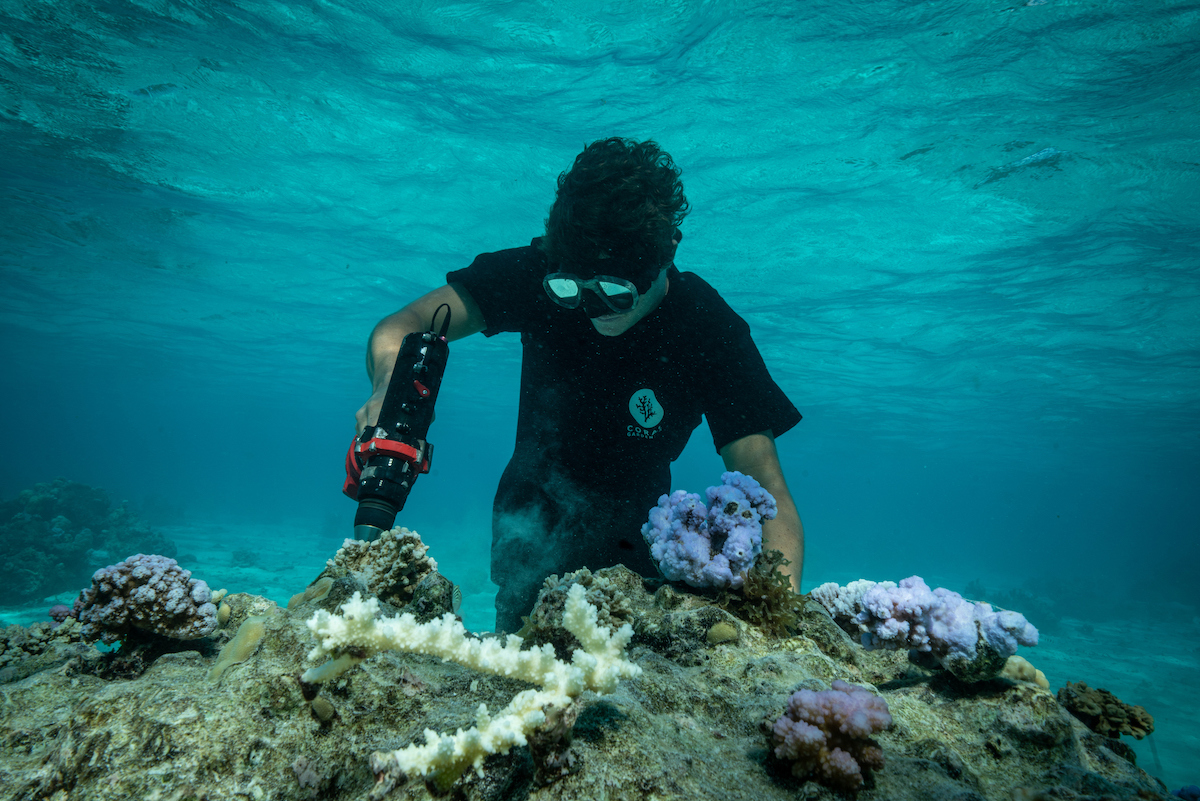
Coral Gardeners in Mo’orea, French Polynesia. They grow corals more resilient to bleaching to restore reefs. Once the corals have grown in the nursery, they’re transplanted back onto the reef.
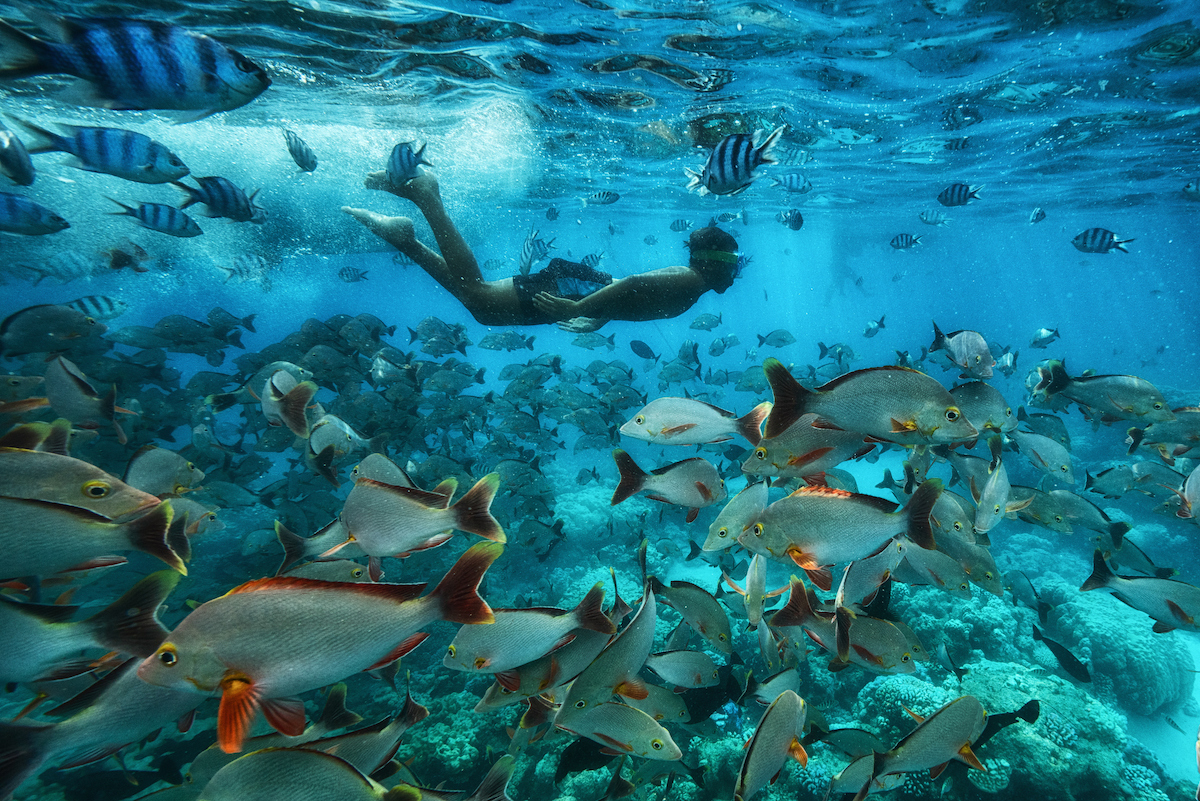
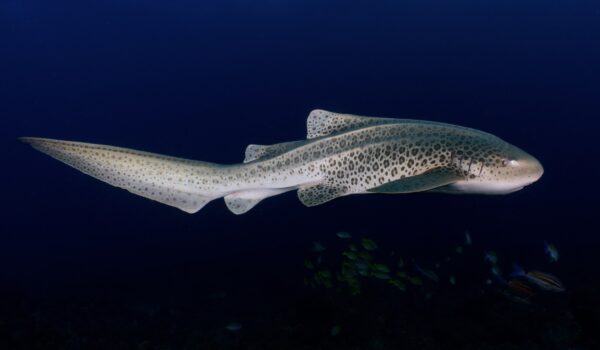
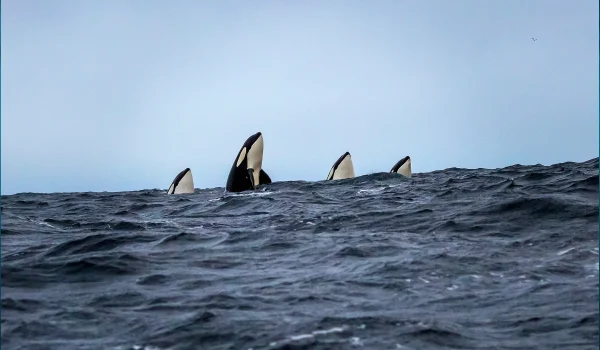
Beneath the surface of these waters lies extraordinary marine biodiversity. Many of the islands serve as critical stopovers for whales migrating across the vast Pacific. Below them, coral reefs bustle with life. Covering just one percent of the ocean floor, coral reefs support an estimated quarter of all marine life. Their complex, three-dimensional structure sustains entire ecosystems from anemones and sea slugs to hundreds of species of tropical fish and sharks.
Nowhere is safe from the effects of a warming ocean. Scientists predict we could lose two thirds of the world’s reefs by 2050 due to climate change. That research also points to a reason for hope: the remaining third may hold the key to saving reefs worldwide. Some corals appear to be more heat tolerant than others, and scientists and conservationists have begun cultivating these resilient individuals to restore bleached and degraded reefs.
Mission
A few days after coming off a National Geographic expedition in 2017, our co-founder Cristina “Mitty” Mittermeier heard there was a group of young people on Mo’orea trying to grow coral. So she went to find them. The office was modest. The boy who greeted her was twenty-one years old.
Titouan had walked away from high school because he could not bear to sit in a classroom while the reef he had grown up on turned white and died. He taught himself how to break coral, nurse the fragments on lines in the lagoon, and coax a dying reef back to life with his own hands. What he hadn’t yet learned was how to navigate the other ocean: the world of funders and boards and the slow machinery it takes to turn one brave idea into an organization that outlasts its founder. Mitty has been helping him grow his organization, Coral Gardeners, ever since.
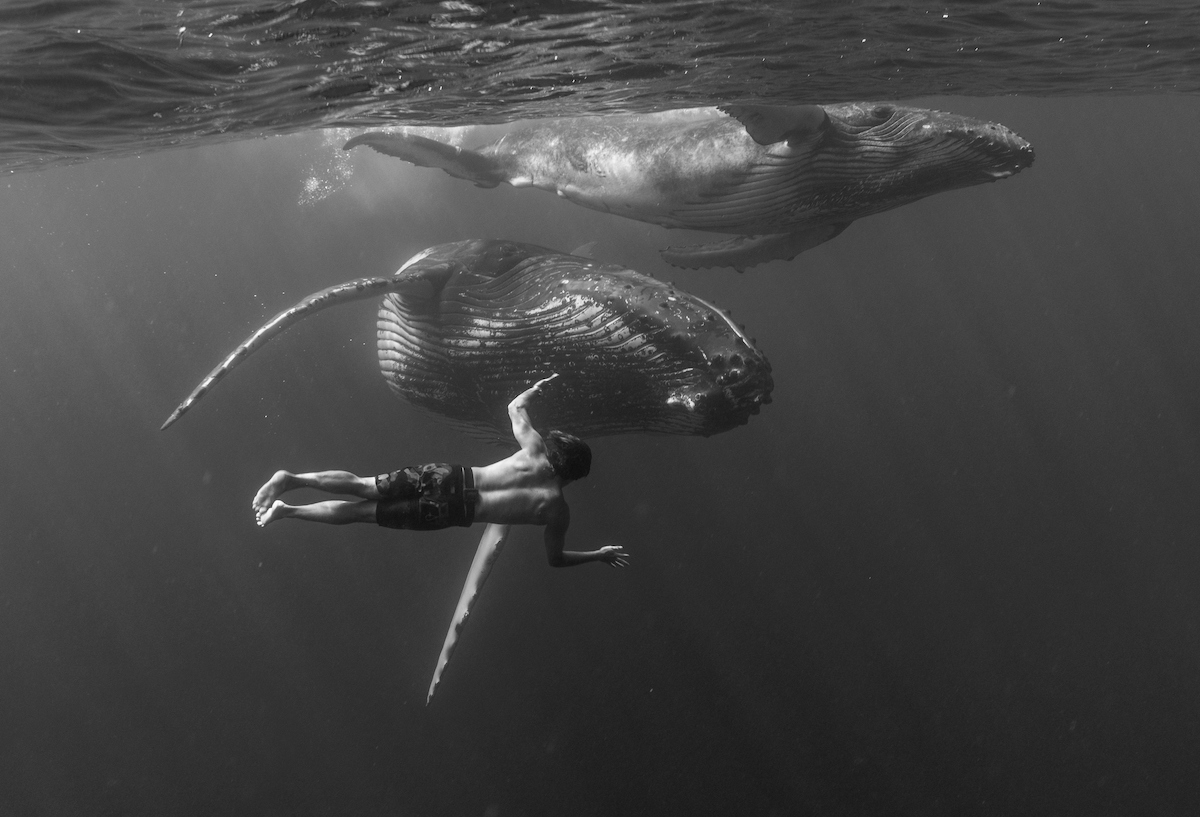
An expedition with National Geographic
“He calls me Ocean Mom. I cannot tell you how proud that makes me.”
Our goal was to tell the story of Coral Gardeners and bring it to the world. We made a short film about their work, and have continued to amplify their mission ever since. We believe what Coral Gardeners is doing is critical for the survival of coral reefs around the world in the face of climate change.
Results
Moorea
The boy from that modest office now leads one of the most respected coral restoration organizations in the world.
Under Titouan’s leadership, Coral Gardeners has grown into a team of over eighty scientists, engineers, and gardeners, operating across French Polynesia, Fiji, and Thailand. To date, they have planted more than 100,000 corals on degraded reefs and reached an estimated 455 million people with their message. For his work, Titouan has been recognized by the United Nations, named to the TIME100 Climate list, and joined the Rolex Perpetual Planet Initiative.
Coral Gardeners’ model of reef restoration is inspiring people around the world to become stewards of their own reefs, growing and replanting resilient corals to bring dying ecosystems back to life. What began with one surfer who refused to accept the death of a reef has become a global movement. We could not be more proud of what Coral Gardeners has become, and the hope they bring to the future of coral reefs in a rapidly warming world.
French Polynesia Gallery