SEALEGACY EXPEDITION
Bringing Leopard Sharks Back From the Brink of Extinction
Location
Raja Ampat
Established
2025-2026Areas of Impact
Partners
- ReShark
- MAC3 Impact Philanthropies
- Future Being
Background
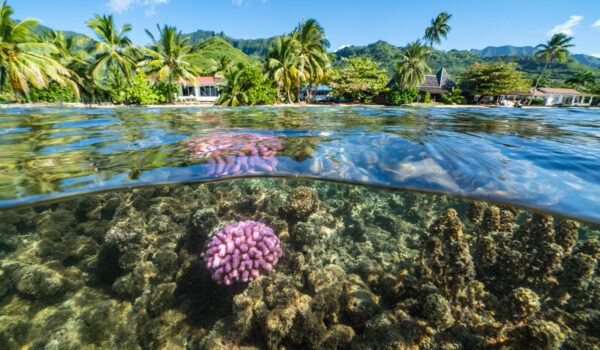
Raja Ampat is an archipelago of over 1,500 islands off the western tip of Papua, Indonesia, sitting at the heart of the Coral Triangle.
Its waters are home to over 1,500 fish species and 75 percent of all known coral species. Just a few decades ago, this extraordinary place was in serious trouble.
By the late 1990s and early 2000s, dynamite and cyanide fishing had become widespread and their impacts were noticeable throughout the archipelago. Fishing fleets were stripping reefs bare, and shark finners operated freely. Dr. Mark Erdmann recognized the urgency and helped lead a landmark conservation effort to save Raja Ampat’s reefs. The team worked with local communities as traditional stewards. The result was the Bird’s Head Seascape initiative, and the establishment of a network of Marine Protected Areas that today covers a significant percentage of Raja Ampat’s reefs.
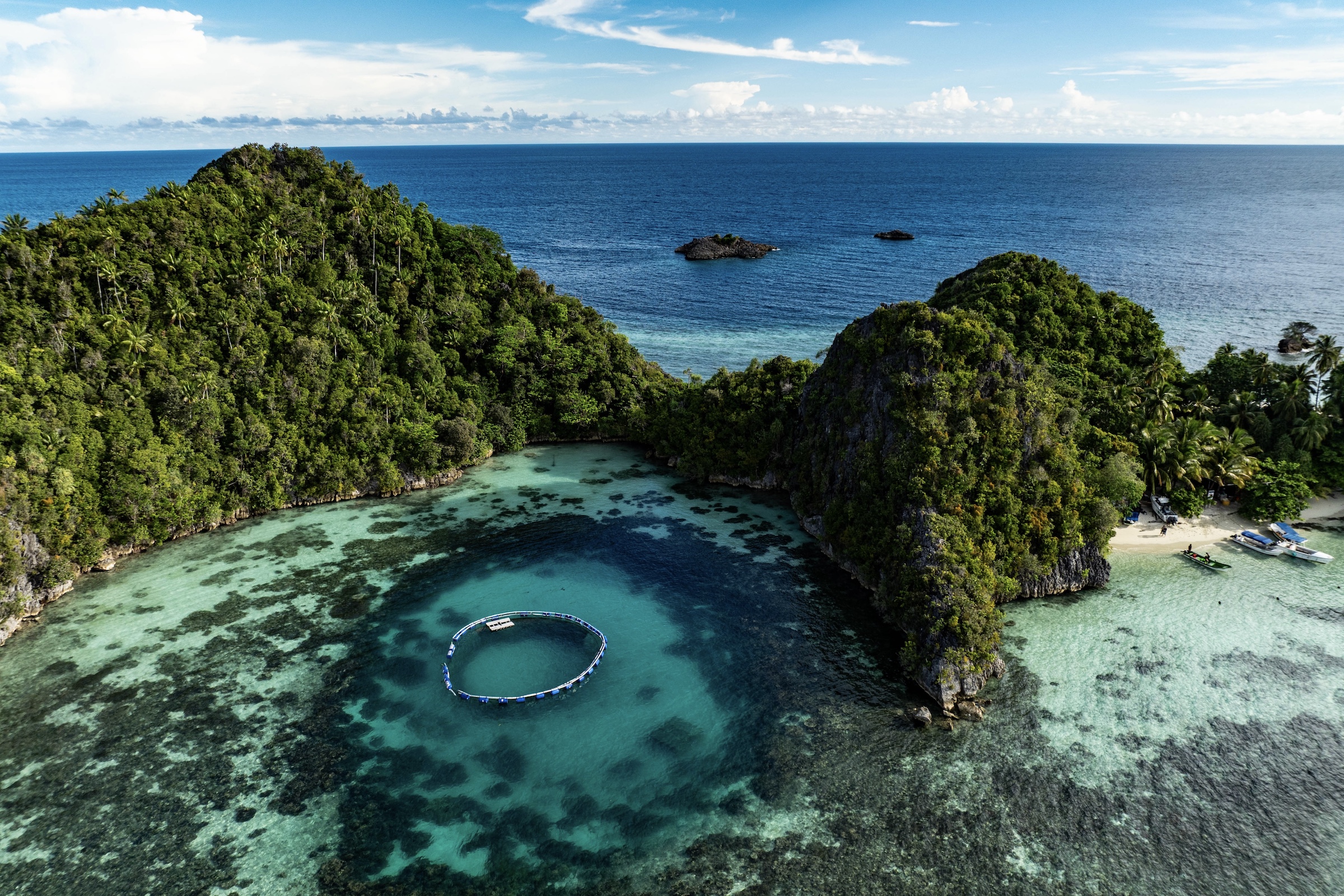

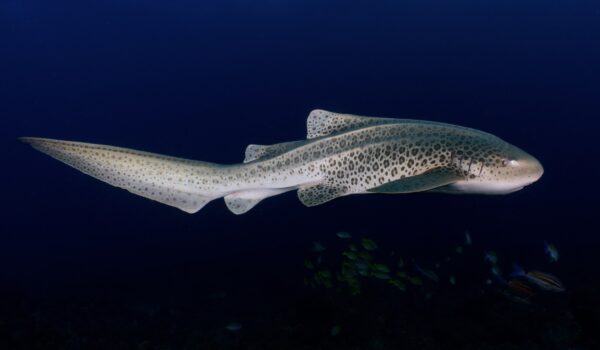
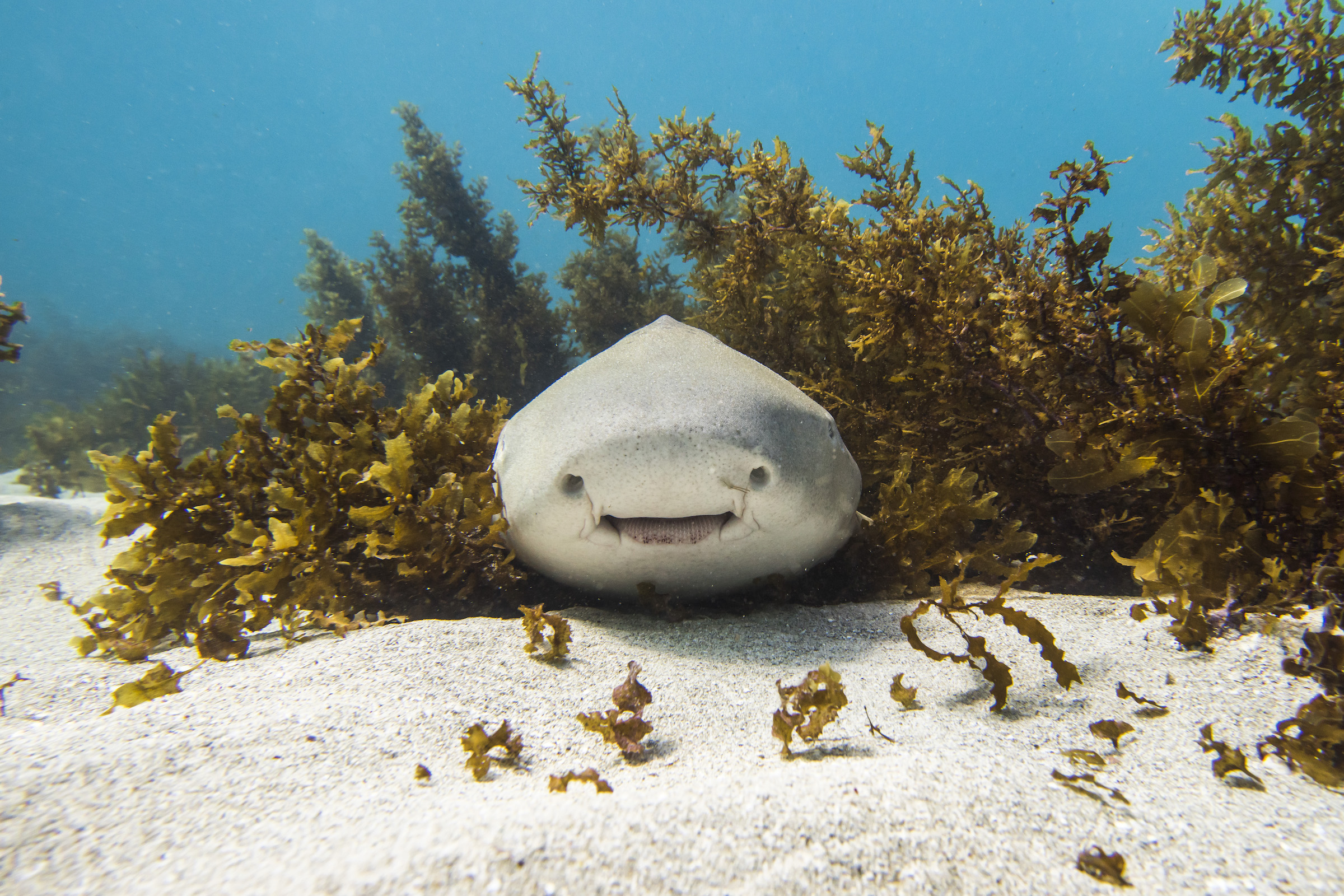
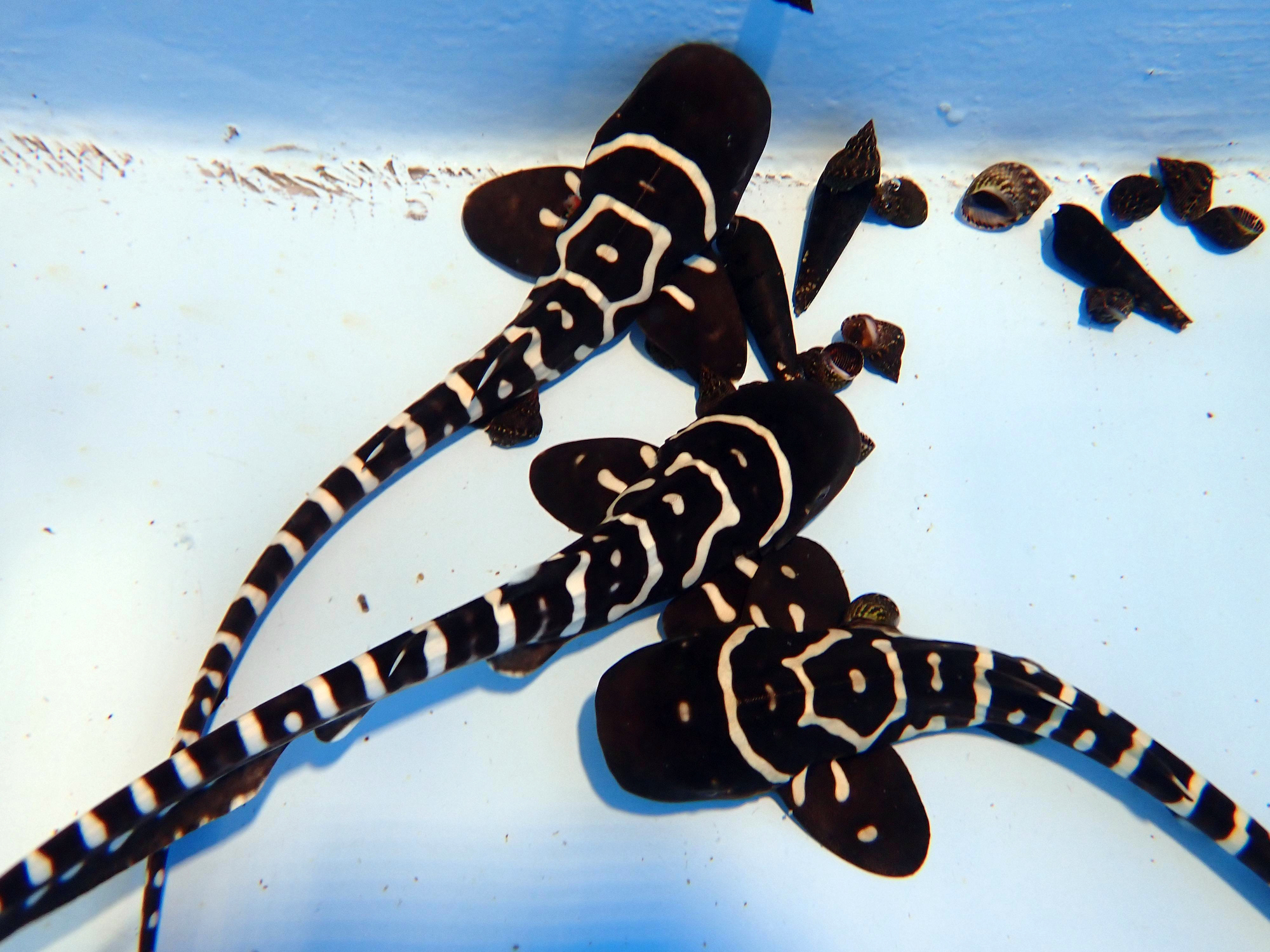
Since the MPAs were established, illegal fishing has decreased drastically, and recovery has been remarkable, with one exception: the Indo-Pacific leopard shark. Once common on the shallow reefs of Raja Ampat, demand for their large, lobed fins in the shark fin trade decimated the population. Leopard sharks are calm, slow-moving, bottom-dwellers, making them easy targets.
They play an important role in reef ecosystems, foraging on the seafloor for small fish, crustaceans, and molluscs, helping to keep benthic prey populations in check. By the time conservation assessments were conducted, fewer than an estimated 20 individuals remained across the entire archipelago. With so few individuals left, natural recovery was effectively impossible. If leopard sharks were going to return to Raja Ampat, someone was going to have to bring them back.
Mission
Dr. Mark Erdmann has been a friend and collaborator of our co-founder Cristina Mittermeier going back nearly twenty years. When he began developing what would become ReShark, she knew it was a story that needed to be told.
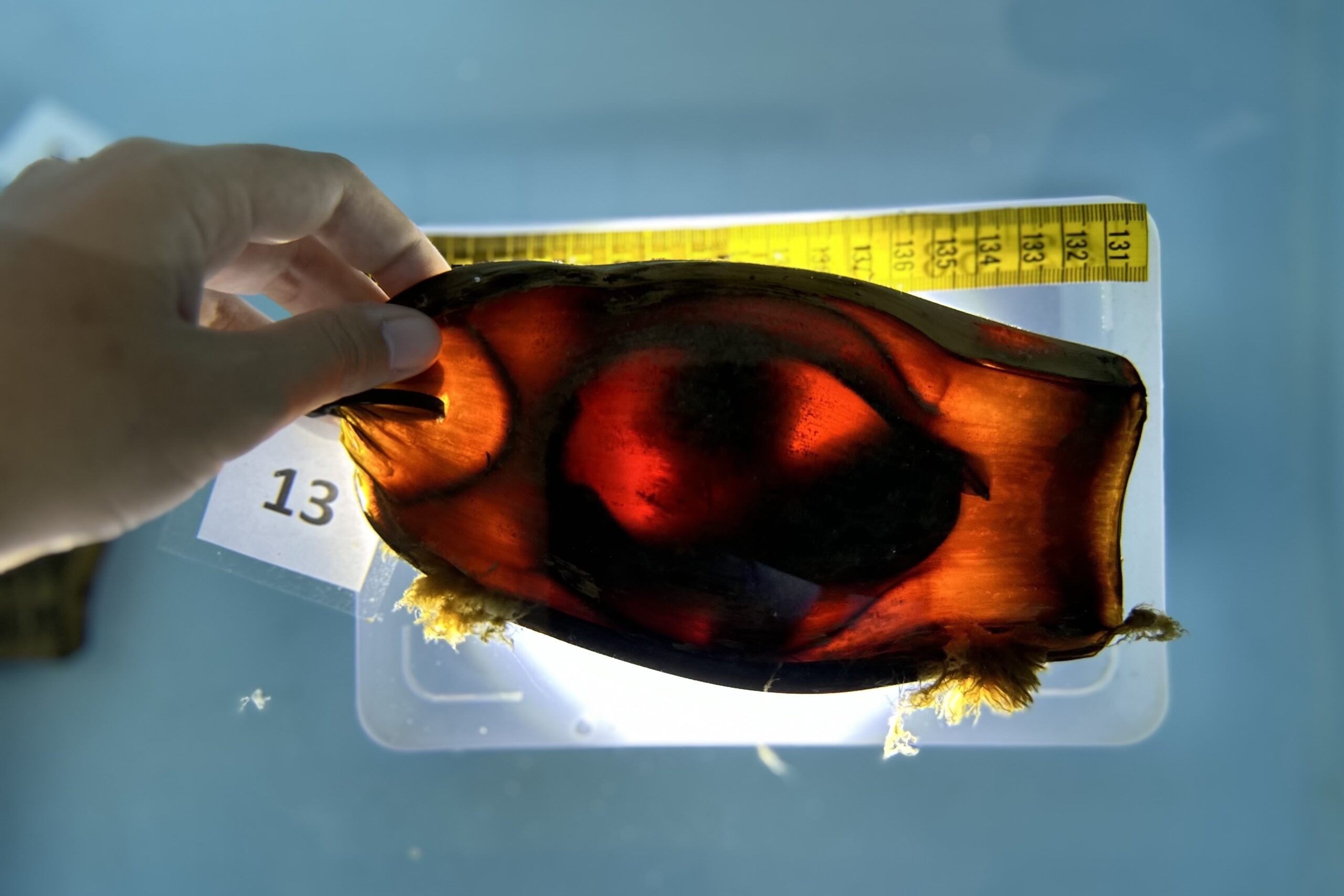
ReShark’s Stegostoma tigrinum Augmentation and Recovery Project (StAR Project) is the world’s first initiative to rewild a threatened shark species. The idea sparked in 2015 when Erdmann visited an aquarium in Singapore that was successfully breeding leopard sharks. He realized that aquariums around the world could be an unlikely lifeline for the wild population. Eggs and pups could be brought to a place like Raja Ampat, raised in local nurseries, and released back into the wild. After nearly a decade of planning, ReShark’s StAR Project came to life.
Our mission was to document ReShark’s work and bring their story to as wide an audience as possible.
Results
ReShark has grown into a coalition of over 120 partner institutions across more than 20 countries, including aquariums, research institutions, NGOs, and local governments. As of July 2026, the project has shipped 207 eggs, hatched 146 pups, and released 75 leopard sharks into the protected waters of Raja Ampat. According to population modelling, releasing 50 to 75 sharks per year could reestablish a viable population within a decade. By contrast, natural recovery could take nearly a century, if at all.
ReShark has already expanded to the Andaman Sea in Thailand, where the project’s arrival prompted the government to officially list the leopard shark as a protected species. ReShark is now applying its collaborative species recovery approach to other threatened sharks and rays.
We are living in a time where protection alone won’t always be enough. ReShark is showing the world what’s possible if we give nature a little nudge in the right direction. We are proud to have helped tell their story.
Read More