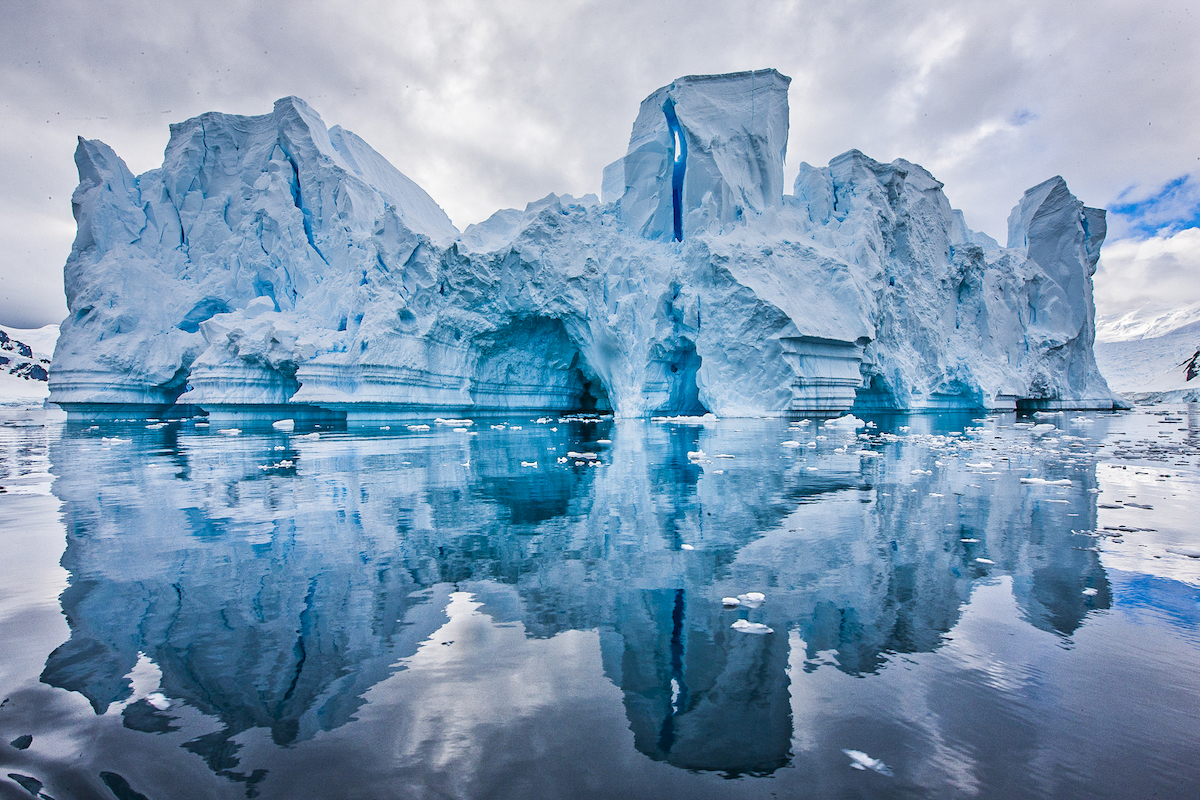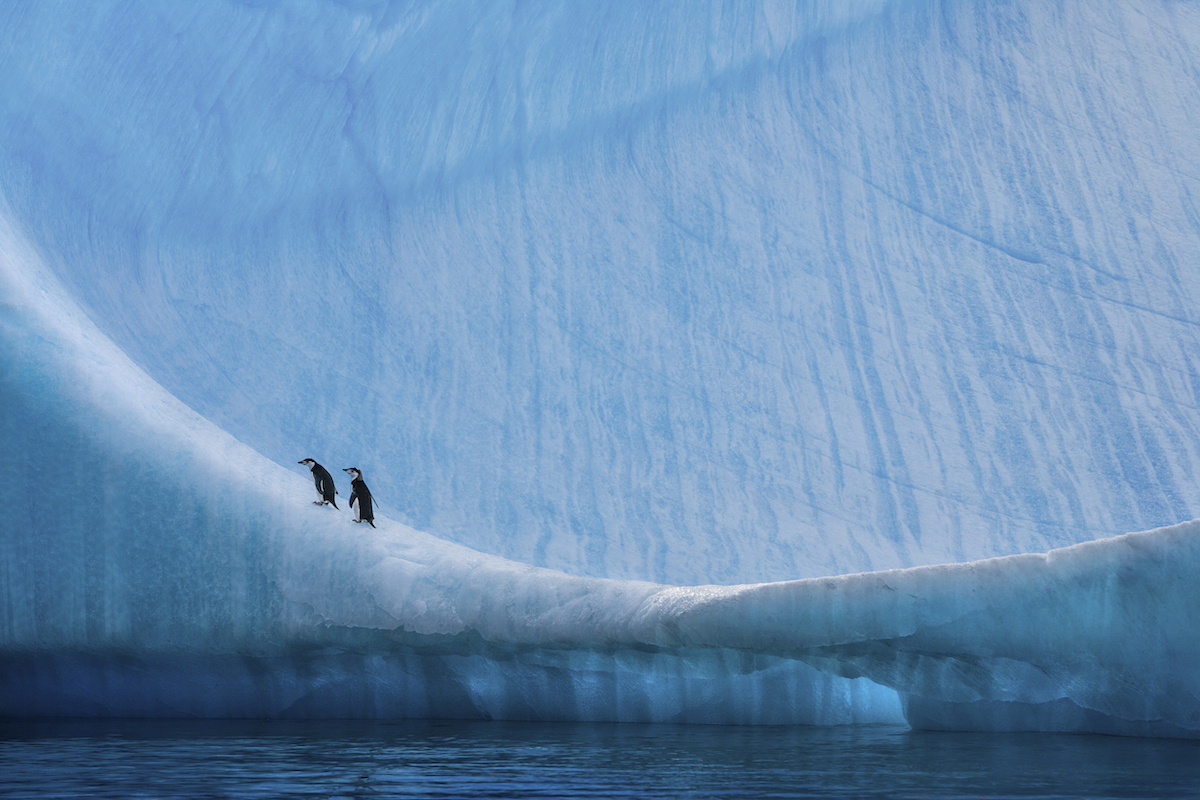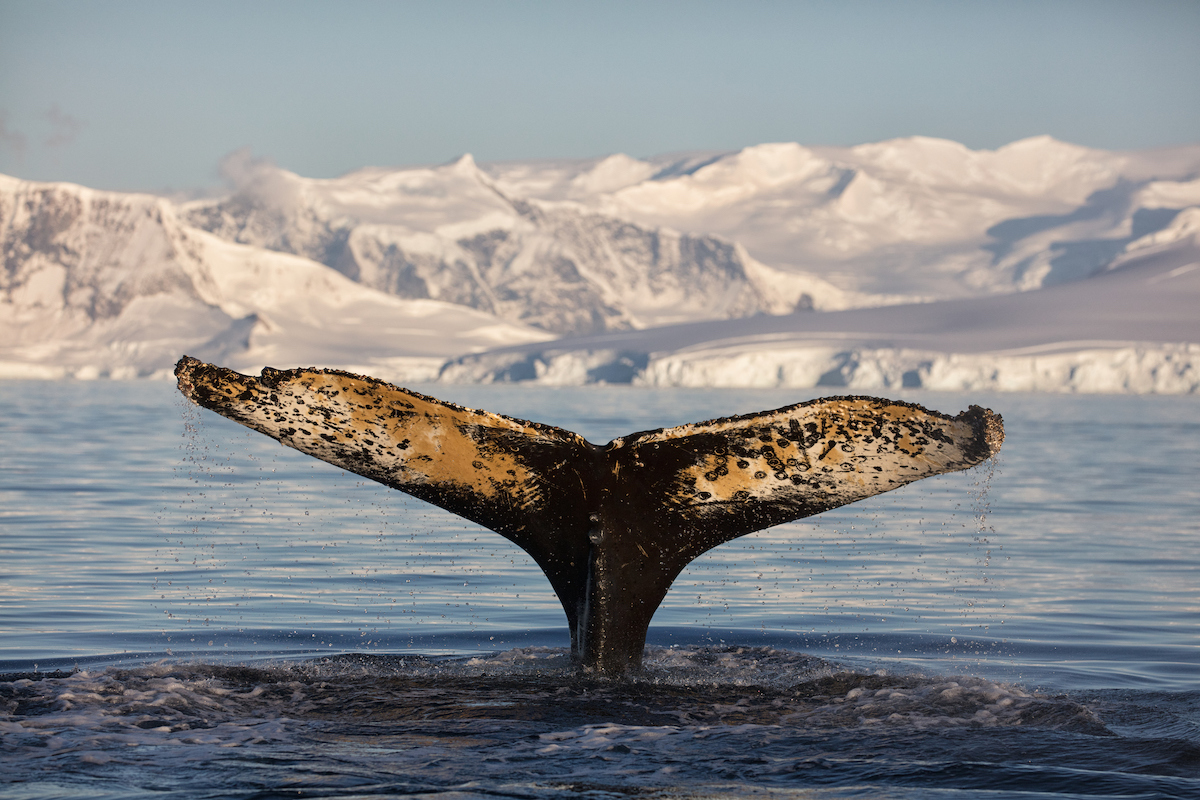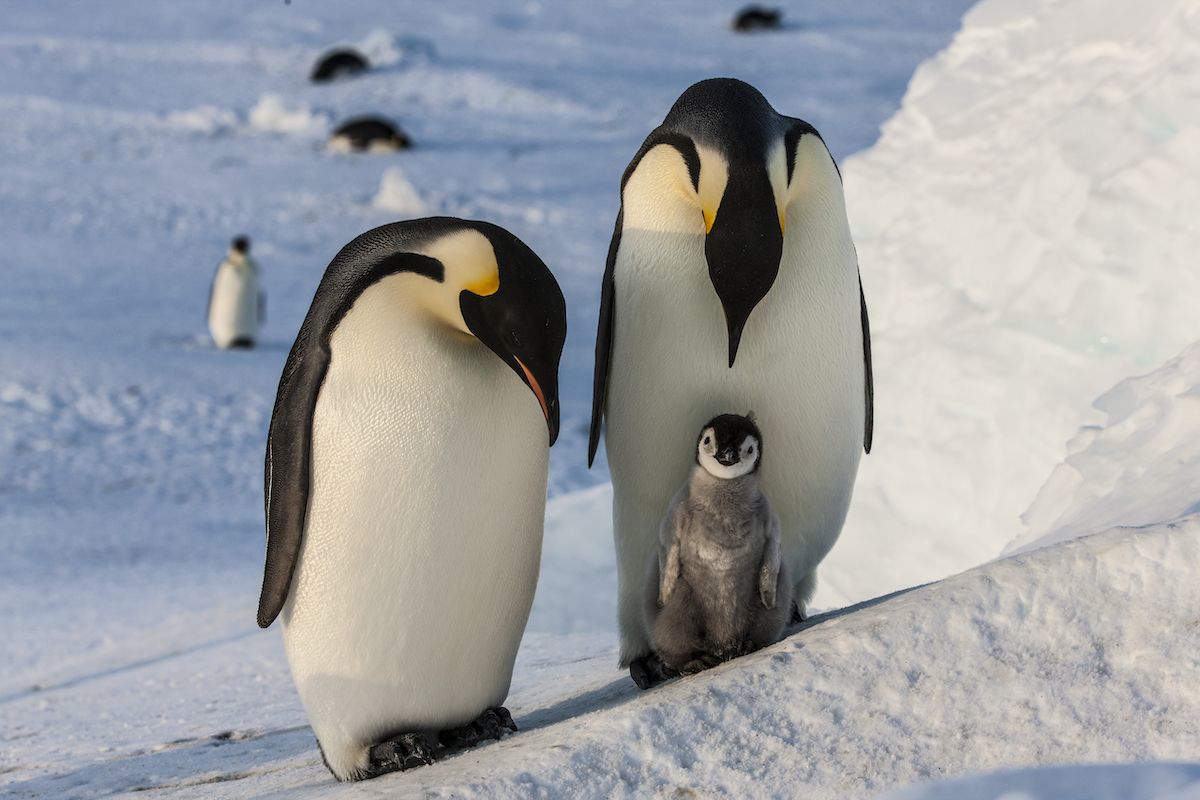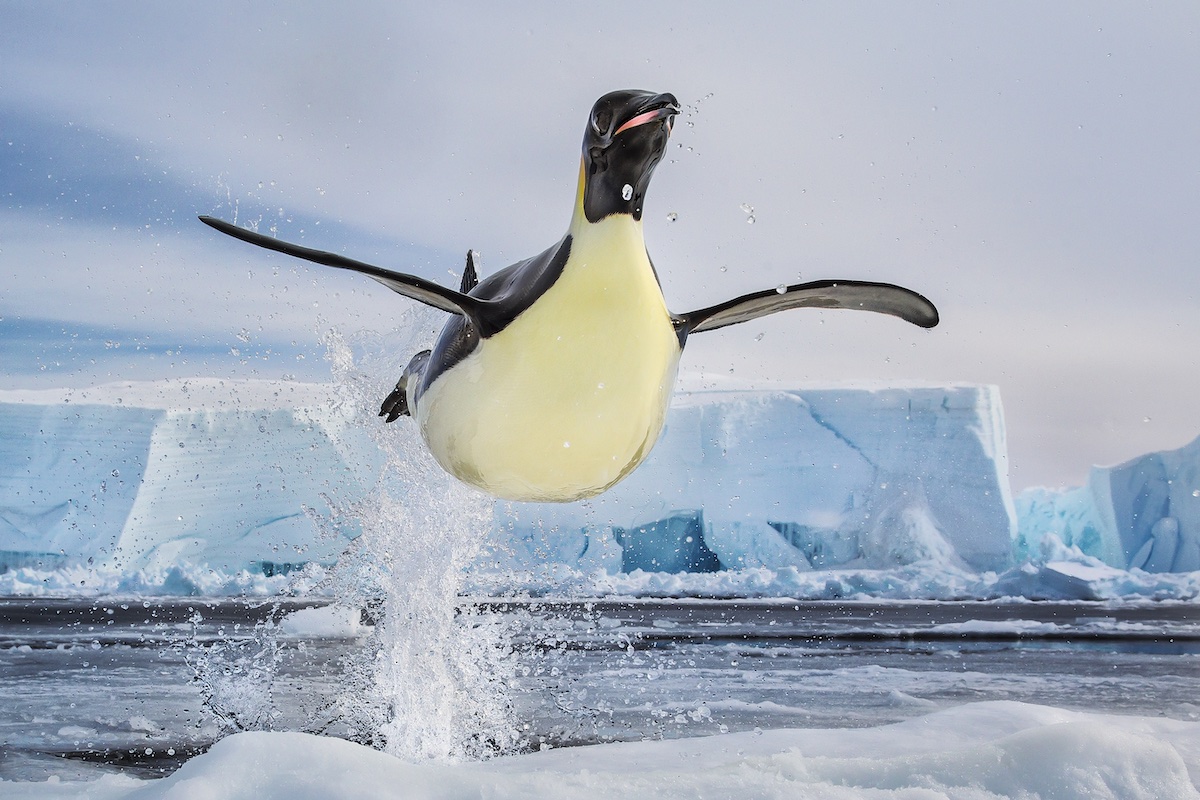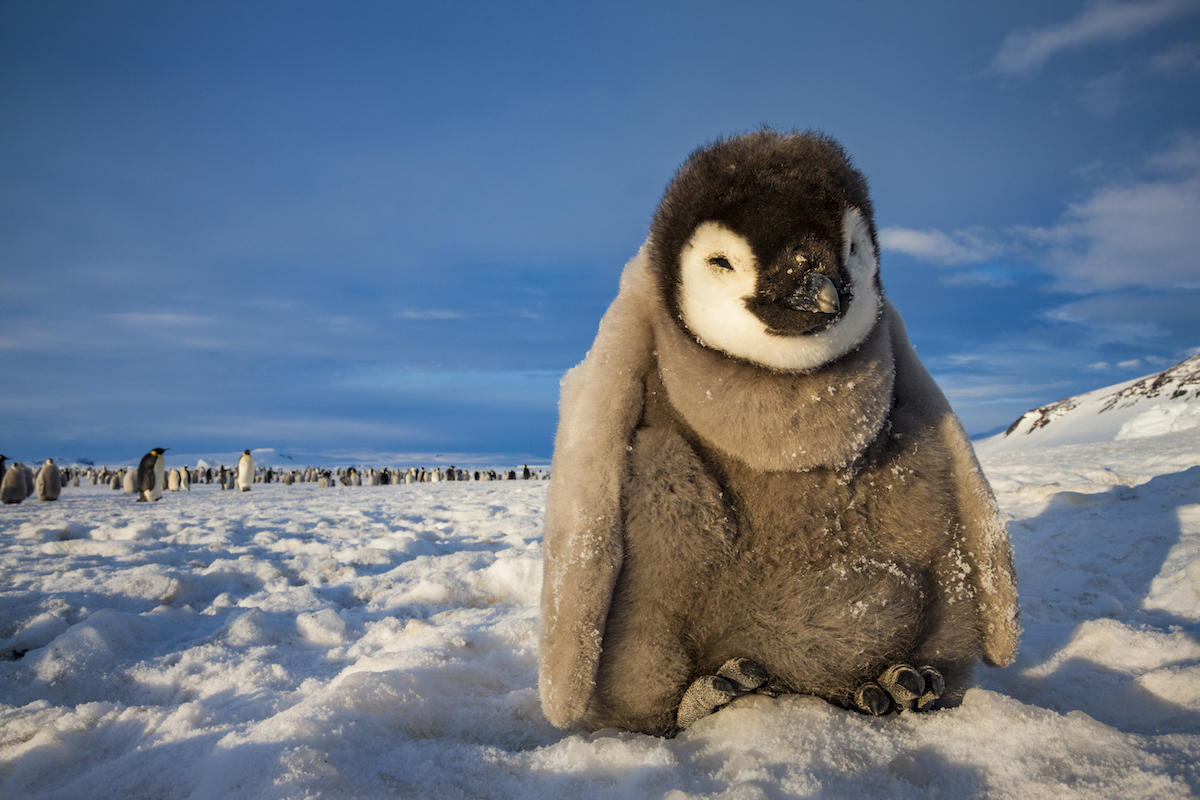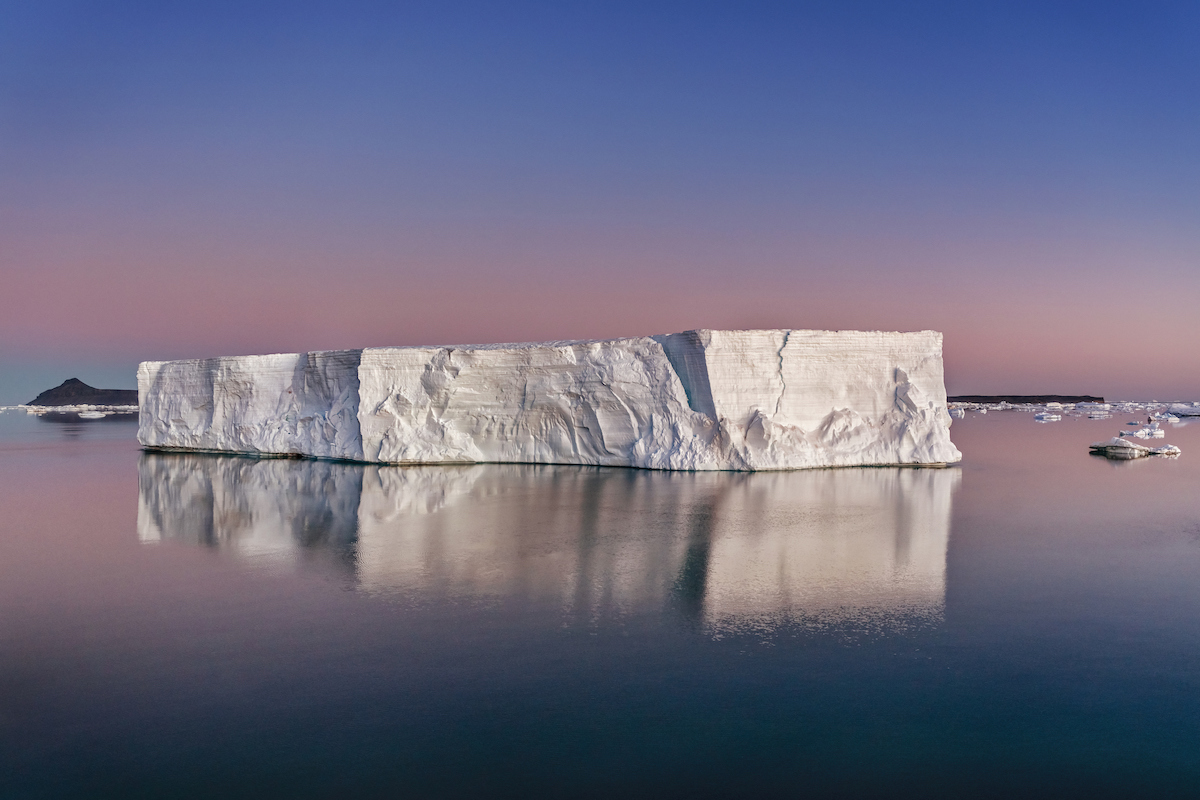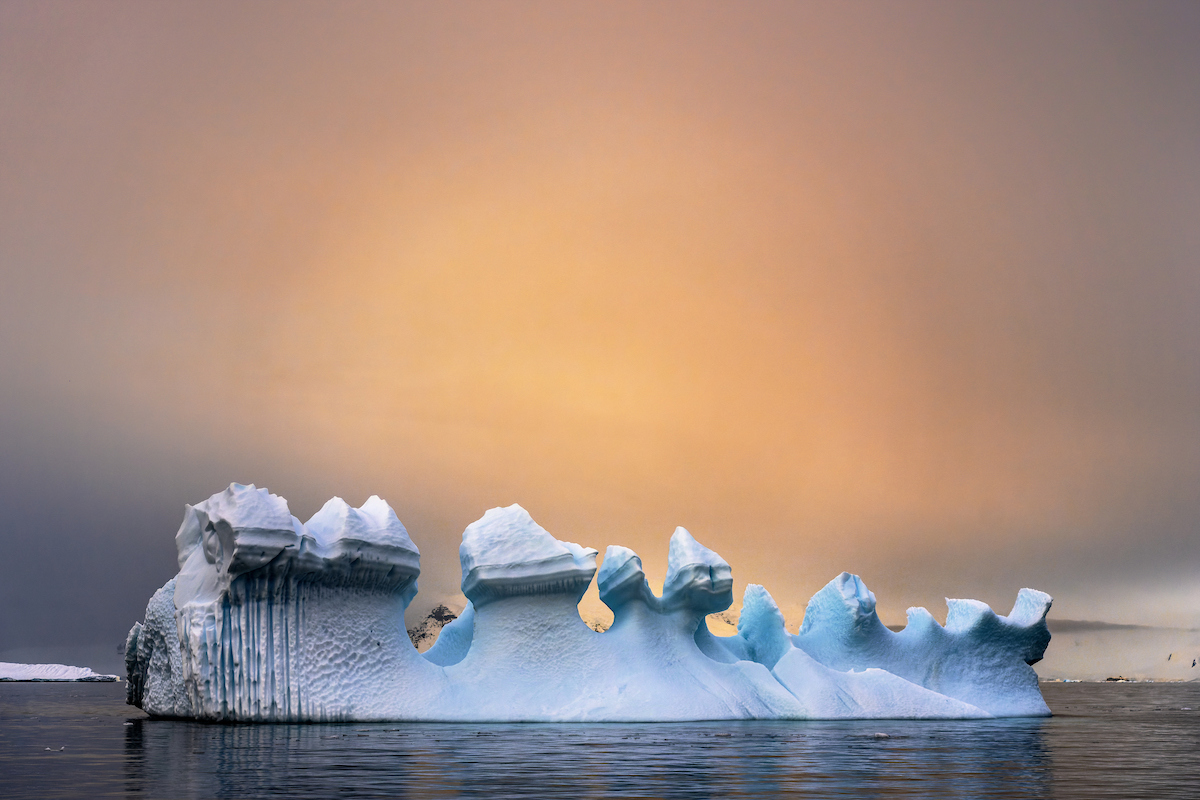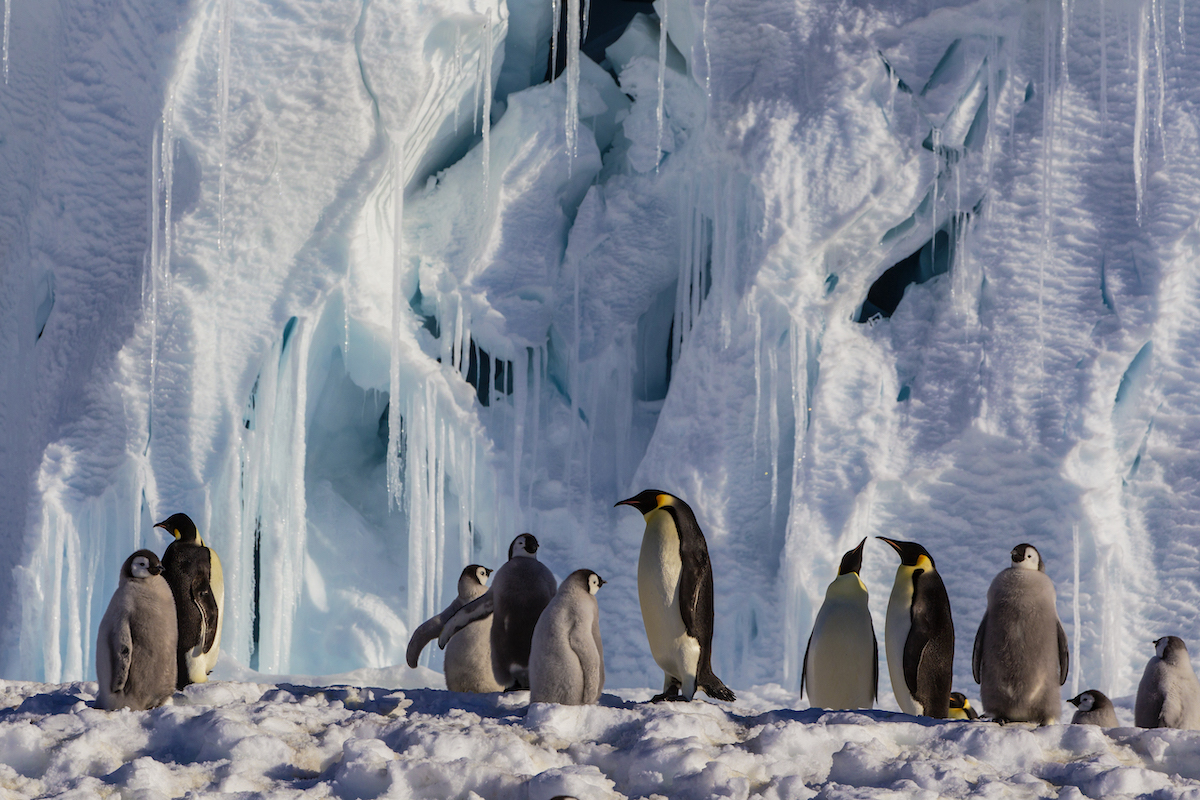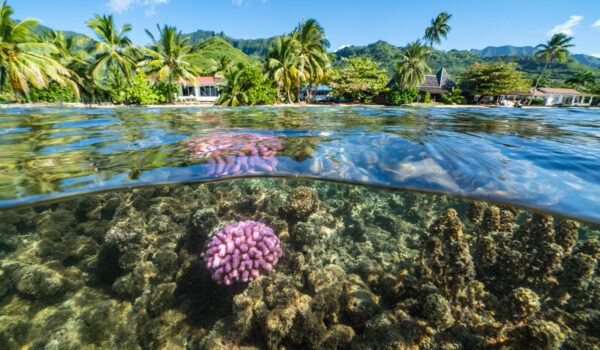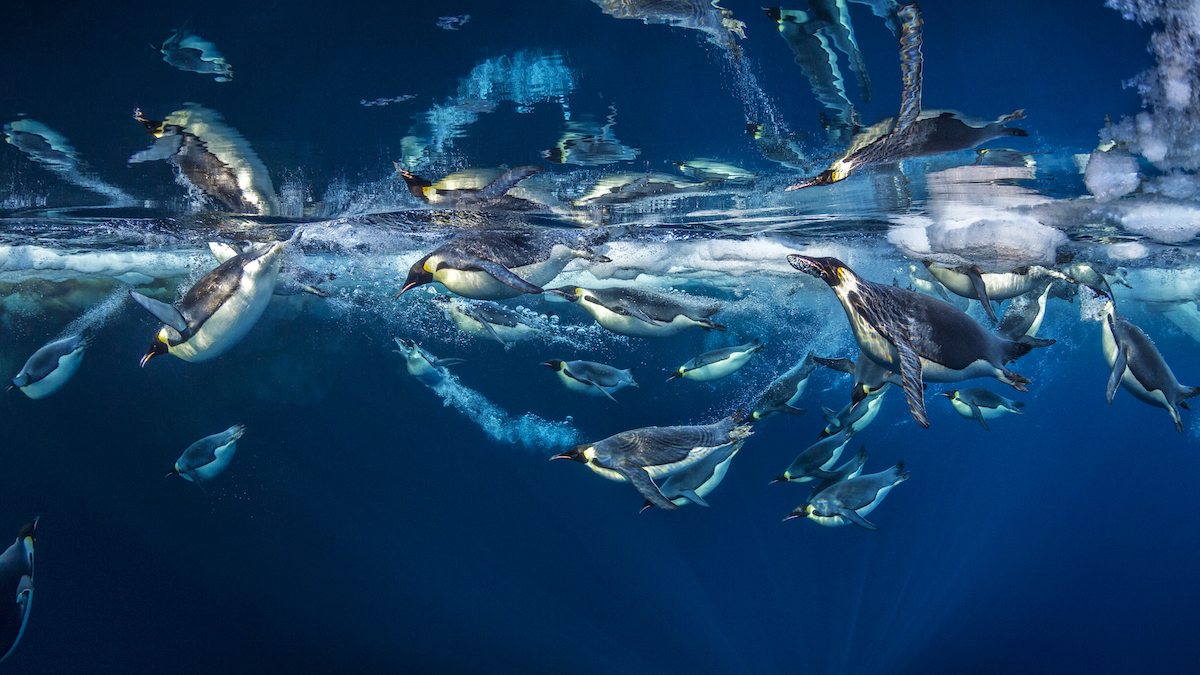
Emperor Penguins shot from the Mario Zuchelli Base, Ross Sea, Antarctica. Penguins at Floe Edge at Terra Nova.
Expedition
The largest act of ocean conservation history: the protection of the great southern ocean
Location
Antarctic Peninsula
Established
January 2017 – July 2018At the mention of Antarctica, the picture that comes to mind is one of blizzard-swept penguin colonies and frozen ice cliffs.
In reality, Antarctica is a complex and diverse ecosystem that harbors a surprising density of wildlife, rivaling even the richest habitats in the world. For the adventurous few who make the long journey to this distant continent, the reward is one of the world’s greatest natural history experiences.
It might seem, given its remoteness, that the impact of human activities on Antarctica has been minimal. This is far from the truth. The biggest threats to Antarctica come from the rapid changes driven by climate change, large commercial fisheries, and the growing influx of tourism.
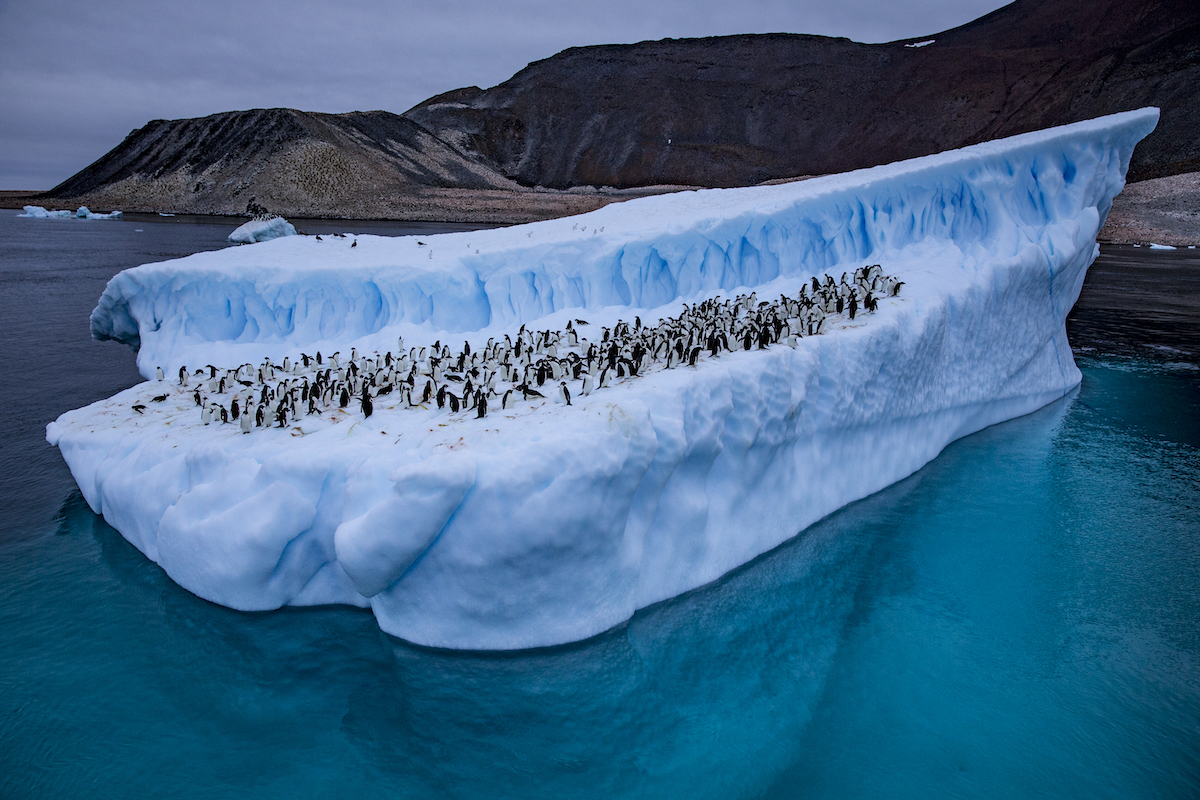
Climate change is causing ice to melt rapidly, raising sea levels and reducing the sea ice platforms essential to penguins and seals.
Commercial fisheries, particularly for Antarctic krill, involve fleets of enormous factory ships that can operate for six to eight months at a time, scooping and processing thousands of tonnes of krill onboard, with little regulation. Antarctic krill form the foundation of the ecosystem, from humpback whales to leopard seals, the entire food chain depends on an abundance of krill.
Tourism is also on the rise, and as access becomes easier and awareness grows, increasing visitor numbers bring risks of pollution, vessel strikes, and disturbance to wildlife in one of the most fragile environments on Earth.
“The triple impact of warming weather, commercial fishing and growing tourism demands that we act swiftly to create new marine protections around the great white continent.”
The mission
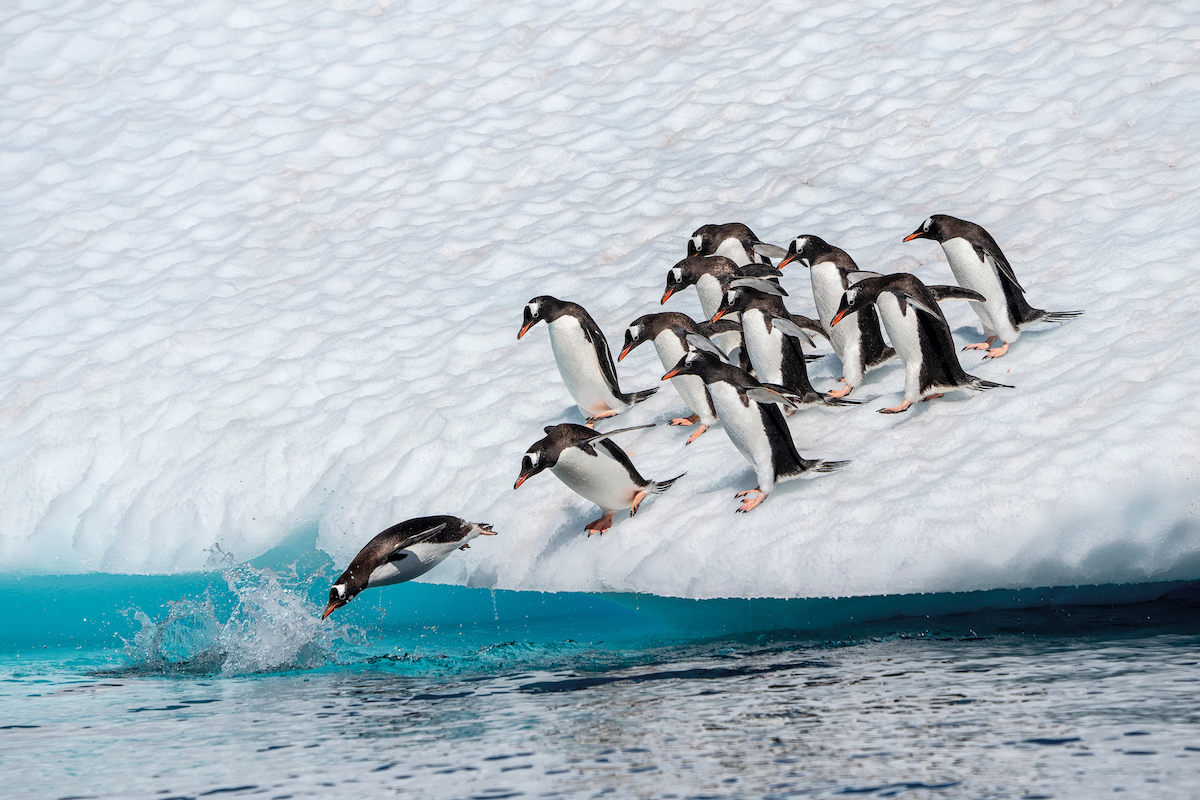
Today, all of the land in Antarctica is protected.
The Southern Ocean, however, has so far been almost completely ignored. Since 2017, SeaLegacy has been working with a large coalition of nonprofits, scientists, and governments to accelerate the creation of new marine protected areas in several key sites around the continent, particularly the fragile waters around the Antarctic Peninsula.
The results
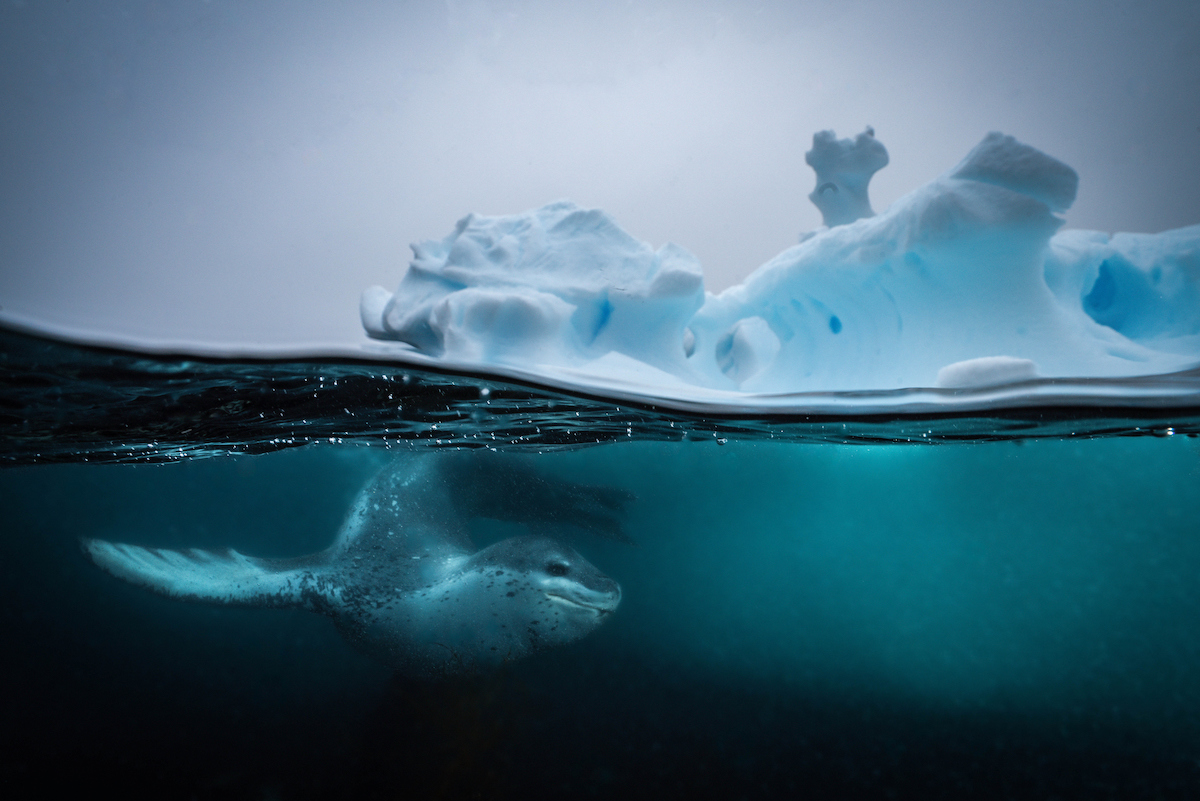
Solitary by nature, leopard seals are still curious creatures. I have found myself on the receiving end of their inquisitive prowling. Ever the guest in their home, I must remember to treat them and the ocean with respect.
Over the years, the governing body that oversees the Southern Ocean,
the Commission for the Conservation of Antarctic Marine Living Resources (CCAMLR), has proven ineffective. Because decisions must be made by consensus, it falls into political deadlock year after year. Even as most countries support stronger protections, all it takes is a few nations with interests in krill fisheries — particularly Norway, China, and Russia — to veto every proposal. Progress has stalled for years. Something must change.
Since 2017, we have had to shift our approach. With CCAMLR stuck in gridlock, creating new marine protected areas in the Southern Ocean is impossible. We now support two campaigns calling for fundamental changes to how the Southern Ocean is governed: Antarctic Avengers and Antarctic Rights.
As long as CCAMLR remains deadlocked, climate change, krill fisheries, and tourism continue virtually unchecked. Protecting Antarctica means we must change the system that governs it.