SEALEGACY EXPEDITION
Ban Drift Gillnets from California Waters
Location
California
Established
2018 – 2022The Background
One of the major reasons why industrial fishing is so unsustainable is the shocking amount of bycatch. The sheer amount of waste and life being caught and destroyed, including critically endangered species, in order to catch the target species is staggering.
Not all fishing methods are created equal, and bottom trawling, long lines, and drift gillnets are some of the worst offenders for bycatch.
In 1992, over three decades ago, the UN placed a moratorium on large-scale drift gillnets in the high seas, but individual countries can still decide for themselves whether to ban drift gillnets in their own waters. In the US, individual states have banned their use in state waters one by one, yet the federal government has continued to permit drift gillnets in federal waters off California.
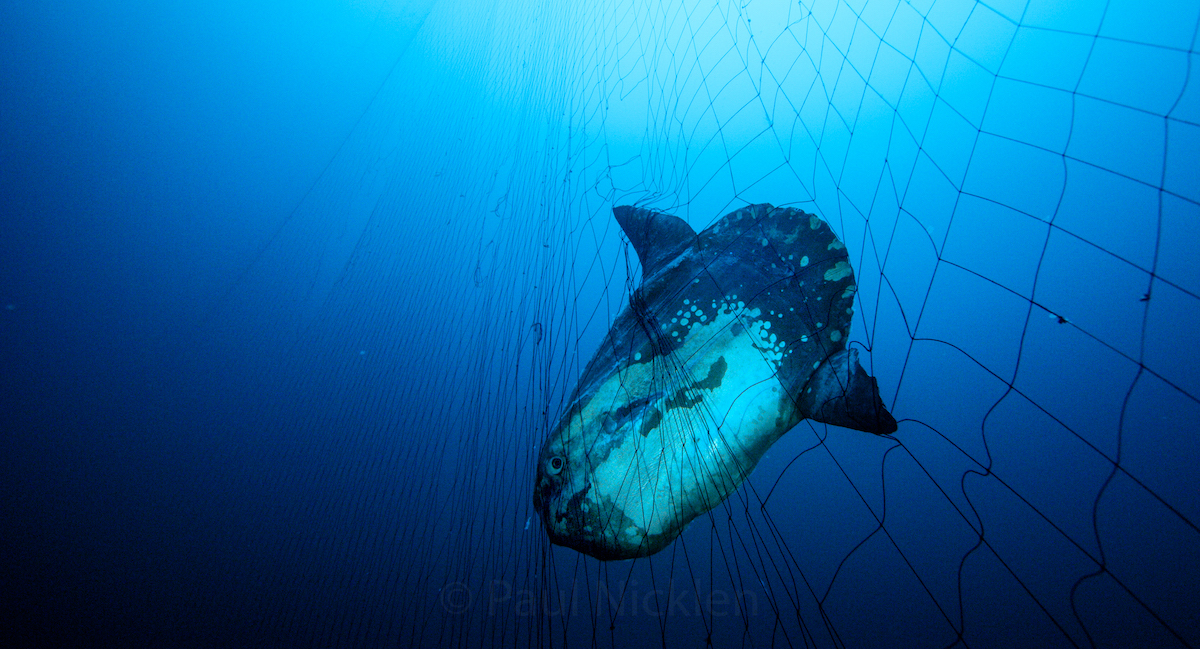
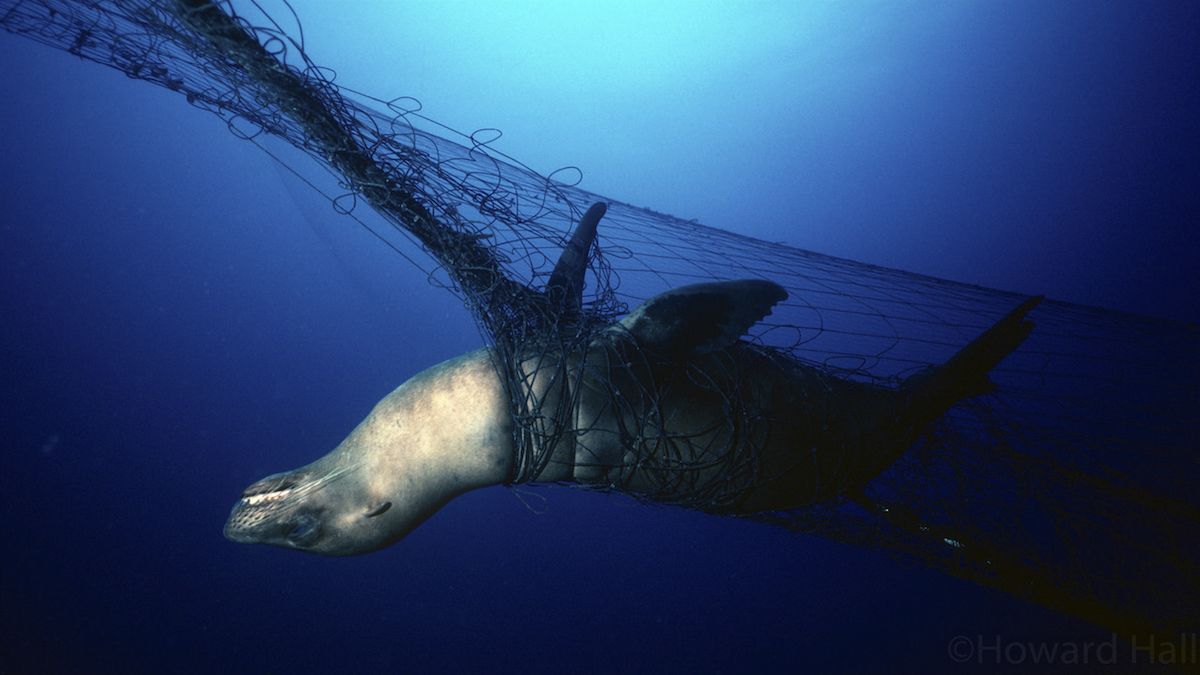
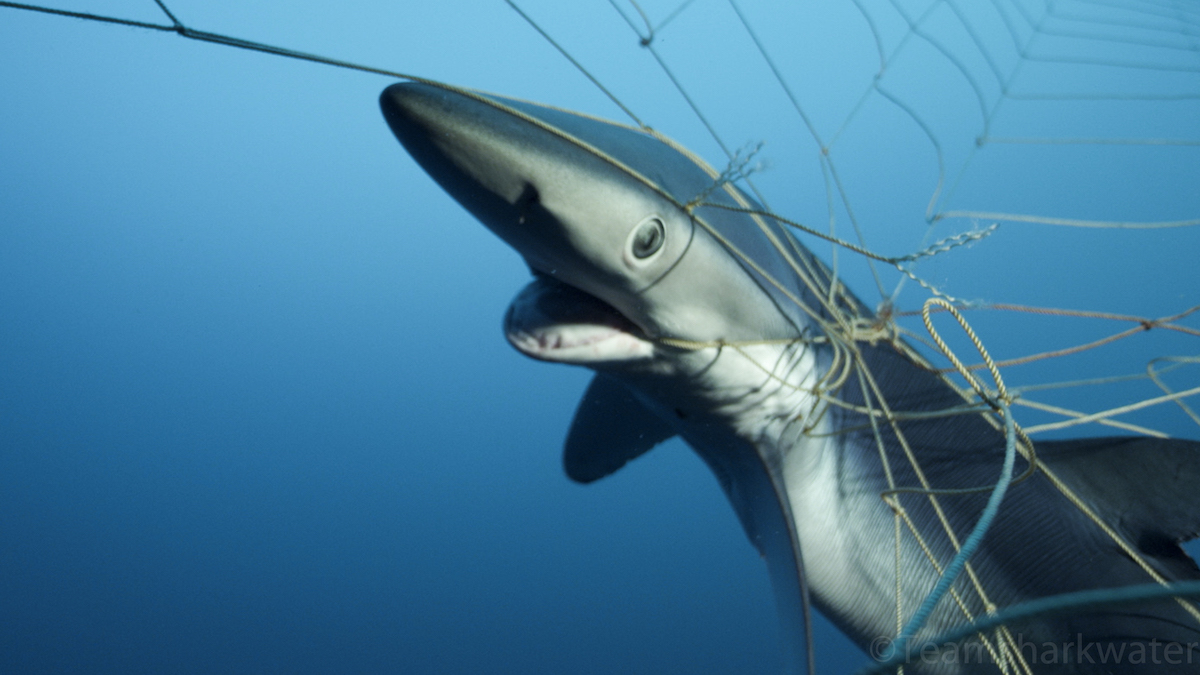
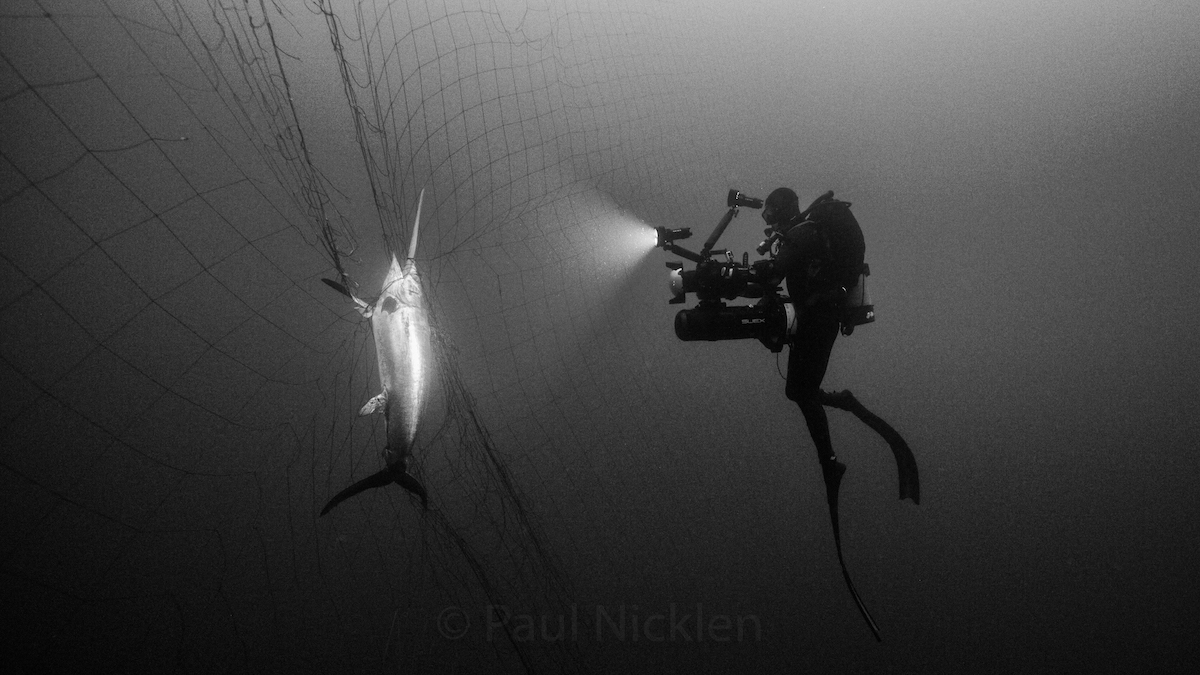
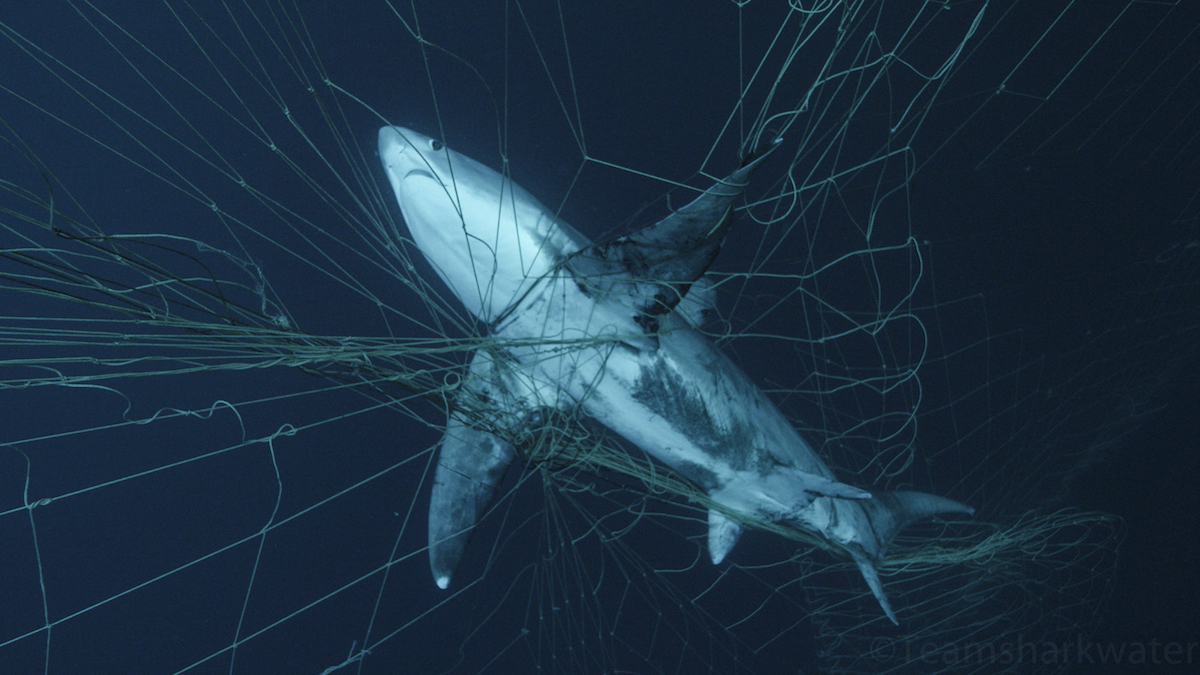
For years, vast stretches of ocean off the California coast have been strung with drift gillnets, often called “walls of death,” and it’s easy to see why. These are literal walls of fishing line up to a mile long and 200 feet deep, hanging in the water column and catching everything in their path. The target is swordfish and thresher shark. But the nets make no distinctions.
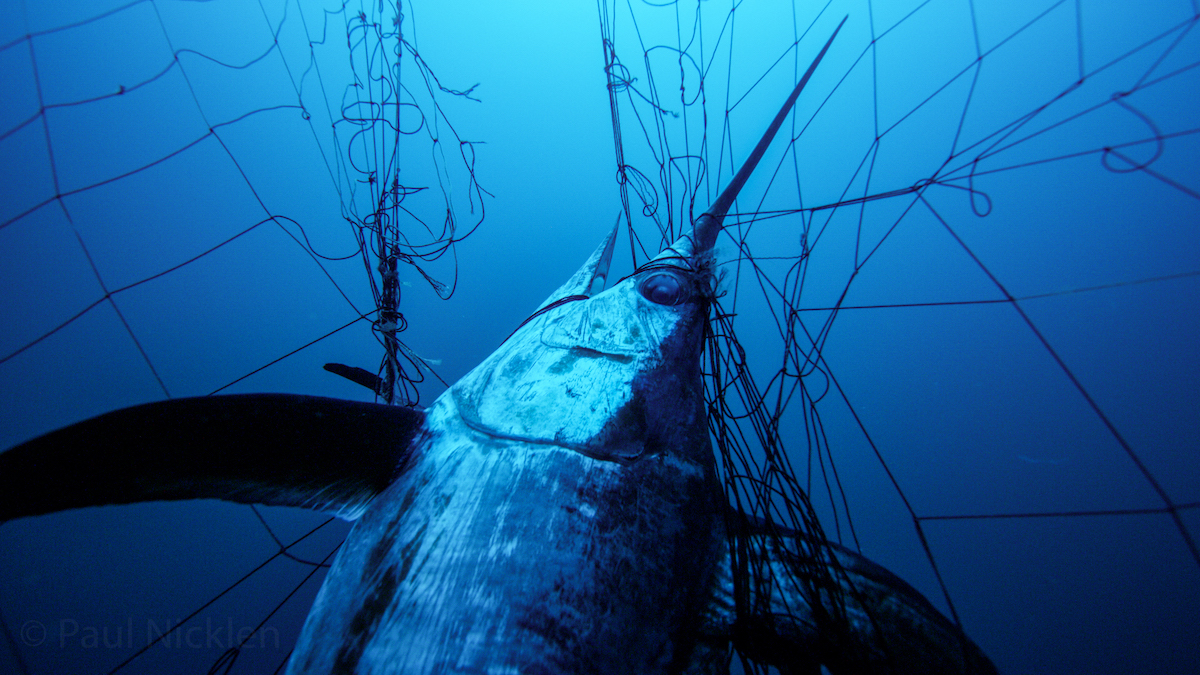
Estimates put the bycatch ratio as high as seven to one.
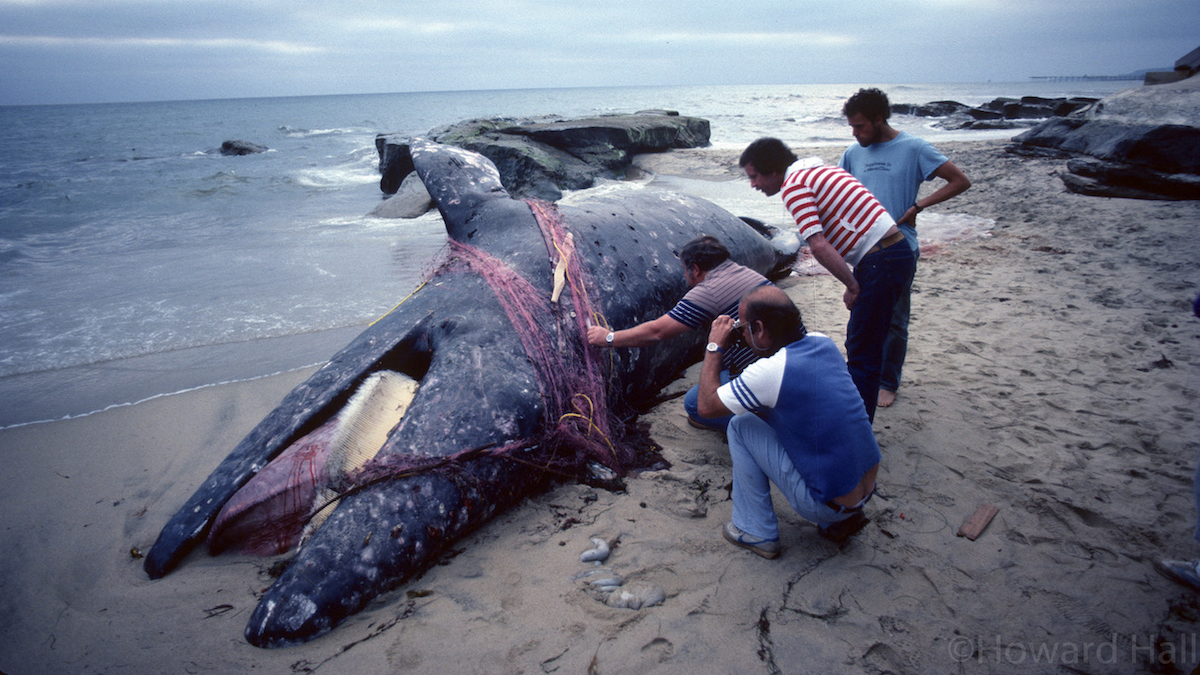
A 2015 report by the Turtle Island Restoration Network found that over the preceding decade, the California driftnet fishery had killed 22 critically endangered sea turtles, over 900 marine mammals including dolphins and whales, and 26,000 sharks — all as bycatch. Estimates put the bycatch ratio as high as seven to one, meaning that for every swordfish landed, as many as seven other animals died in the process. According to the same report, 60 percent of the fishery’s total haul was discarded.
Beyond the ecological damage, the economics make no sense either, according to this report. The fishery’s annual catch declined significantly since the 1980s, and was worth around $600,000 in 2013 and falling, while management and enforcement costs were more than double that, resulting in a net loss of up to $2 million per year to taxpayers.
An immensely destructive fishery that costs more to regulate than it earns simply cannot be justified.
The Mission
In 2018, inspired by the work of our friend and conservation hero, the late Rob Stewart, we joined the fight against California’s drift gillnet fishery alongside the Sharkwater Foundation, Mercy for Animals, Turtle Island Restoration Network, and Sea Change Agency.
We went undercover on the boats of the drift gillnet industry and dove beneath the surface to witness the destruction firsthand. What we saw was shocking, and the images we captured spread rapidly, bringing global attention to what was happening off the California coast.
The Results
Thanks to our mobilized supporters, we were able to demand change. Within 12 days, we helped collect 120,000 petition signatures, which were presented to the California Senate by one of our Youth Ambassadors in 2018.
Later that year, a bill to phase out drift gillnets over four years was signed by California Governor Jerry Brown in a major step toward ending the practice.
Unfortunately, the bill was vetoed by Trump in 2021, but reinstated in 2022 to phase out drift gillnets by 2027. Despite the five-year setback, this remains a significant win worth celebrating and proof of what can be achieved with coordinated public pressure, dedicated partners, and a little perseverance and patience.
That said, as shown by Trump in 2020, we are living in a time of precarious conservation wins that can be taken away at any moment. While we celebrate this victory and look ahead to 2027, we must remain vigilant to ensure drift gillnets are actually removed from California’s waters.
Every year, an estimated 7.3 million tons of marine wildlife, including endangered turtles, sharks, and marine mammals, are slaughtered as by-catch in drift gillnets.
California Gallery